
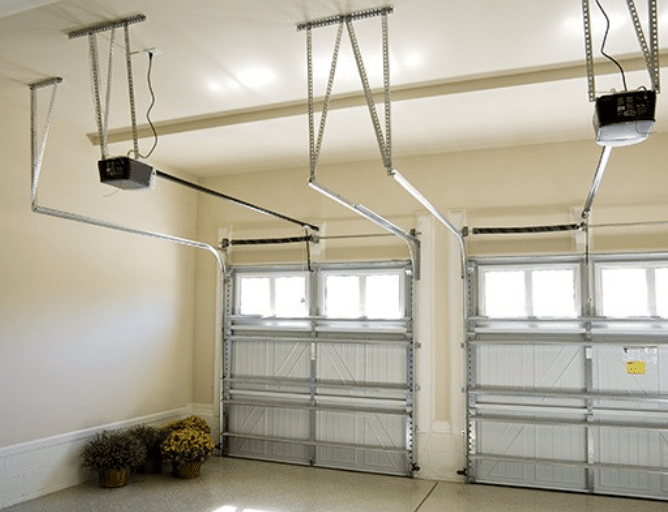
What horsepower garage door opener is best for your home? Find out with expert tips on matching motor strength to single, double, and heavy-duty doors.
Choosing the right garage door opener isn’t just about convenience—it’s about matching power to performance. One of the most common questions homeowners ask is: What horsepower garage door opener do I need? The answer depends on your garage door’s size, weight, and how frequently it’s used. An underpowered unit can wear out quickly, while an overpowered one might be unnecessary and cost more than it should.

The right horsepower level ensures the opener lifts the door smoothly and efficiently without straining its components. Whether you’re replacing an old opener or installing a new one, this guide will help you match horsepower to your garage door specifications. A well-chosen opener improves reliability, extends the lifespan of your equipment, and keeps daily operation trouble-free.
Get the clarity you need when choosing a garage door opener—from understanding various horsepower ratings to spotting signs of wear and knowing key maintenance tips. If you’re asking, “What horsepower garage door opener do I need?” you’re in the right place. Let’s explore the details that help you make a confident and informed decision.
Understanding Garage Door Opener Horsepower Ratings
What Does Horsepower Really Mean for Garage Door Openers?
Horsepower (HP) in a garage door opener measures the motor’s strength. Higher horsepower can lift heavier doors with less strain, but choosing the right amount is essential for efficiency and longevity. Common options include 1/3 HP, 1/2 HP, 3/4 HP, and 1+ HP units.
Matching Horsepower to Door Weight and Size
If you have a single-car garage door made of lightweight materials, a 1/3 HP opener might suffice. However, for double doors, insulated panels, or wooden doors, a 1/2 HP or 3/4 HP opener is more appropriate. Heavier carriage-style or oversized doors typically require 1 HP or more.
What Horsepower Garage Door Opener Do I Need for Different Types of Doors?
When choosing a garage door opener, one of the most important factors to consider is horsepower (HP). The size, weight, and material of your garage door determine the amount of power your opener needs to function efficiently and reliably. The chart below simplifies the decision-making process by matching various door types with the appropriate HP ratings.
| Simple Comparison Chart: Choosing Based on Door Size and Weight | |||
| Door Type | Material | Door Size | Recommended HP |
| Single lightweight | Aluminum/Fiberglass | 8–10 ft | 1/3 HP |
| Single insulated or wood | Steel/Wood | 8–10 ft | 1/2 HP |
| Double standard weight | Steel | 16 ft | 1/2 HP |
| Double heavy or custom doors | Wood/Insulated Steel | 16 ft or wider | 3/4 HP or more |
Using the correct HP for your garage door opener helps it work more efficiently and last longer. Match your door type with the recommended HP in the chart to select the right one.
Factors That Affect Your Opener Choice Beyond Weight
Daily Usage and Frequency
The more often your door opens and closes, the more wear it puts on the motor. For homes with multiple vehicles or high usage, opt for a higher horsepower motor to reduce mechanical stress.
Spring Balance and Door Hardware
Even a heavy garage door can be manageable if the spring system is well-balanced. However, if the springs are worn or improperly calibrated, the opener may have to work harder. It’s always smart to have your door components inspected when installing a new opener.
Local Climate Conditions
Cold or damp climates can cause components to move more slowly or stick. In these cases, a more powerful motor might help maintain consistent performance year-round.
Choosing the Right Opener Technology
Chain Drive vs. Belt Drive
Chain drive openers are durable and good for heavier doors, while belt drive models are quieter and ideal for attached garages. The horsepower needs remain similar, but consider noise levels depending on your garage’s location in the home.
Smart Features and Energy Efficiency
Modern garage door openers come with Wi-Fi, battery backup, and security features. Look for these in higher-end models available in 3/4 HP or 1 HP options for better longevity and functionality.
Explore more on professional garage door services and new opener installation options with DoorJam Garage Repair.
Maintenance Tips to Keep Your Opener Performing Well
Regular Lubrication and Cleaning
Keep all moving parts well-lubricated and clean. This reduces wear on the opener, no matter what horsepower rating you choose.
Inspect Tracks and Springs
Misaligned tracks or worn springs can cause even high-powered openers to fail. Check these regularly and replace components as needed to avoid unnecessary strain on your opener.
Schedule Periodic Professional Inspections

It’s a good idea to have your opener and door system checked by a technician yearly. You can also take advantage of available coupons and service offers to reduce the cost of upkeep.
Frequently Asked Questions
What horsepower garage door opener is best for a two-car garage?
A 1/2 HP opener usually works well for standard double garage doors. If the doors are heavier or insulated, consider 3/4 HP.
Can I use a 1/3 HP opener for a single garage door?
Yes, a 1/3 HP opener can lift most single, lightweight doors. However, if you use the door frequently, upgrading to 1/2 HP may provide better durability.
How do I know if my opener is underpowered?
Signs include slow or uneven lifting, straining sounds from the motor, and premature wear. An inspection can help determine if your unit is underpowered.
Does horsepower affect opener lifespan?
Yes. Underpowered motors may wear out faster due to strain, while properly matched horsepower improves longevity and efficiency.
Should I consider professional installation?
Absolutely. Professional installation ensures safety, correct calibration, and that your opener is matched to your garage door’s specifications.
Conclusion
Choosing the right horsepower garage door opener depends on several factors, including the door size, material, frequency of use, and your long-term needs. Selecting the correct motor strength not only improves functionality but also extends the life of your entire garage system.
For most homeowners, 1/2 HP is sufficient for standard use, while heavier doors and higher usage require 3/4 HP or 1 HP units. Don’t just go by price—choose the model that aligns with your specific situation for optimal performance. To get expert help, trust DoorJam Garage Repair.
End Note
We understand the importance of selecting the right garage door opener. That’s why our team at DoorJam Garage Repair focuses on personalized recommendations and trusted service throughout Raleigh and Durham, NC. Whether you’re upgrading to a new garage door opener or replacing a worn motor, our experienced team is ready to help.
We also provide full garage door services, including installation, repair, and maintenance. Stay connected with us on Facebook and Instagram for updates and promotions.
Get started today! Contact us now to get your free quote or schedule a consultation today!
DoorJam Garage
3418 Quarry Rd, Wake Forest, NC 27587, United States
+19199066623