
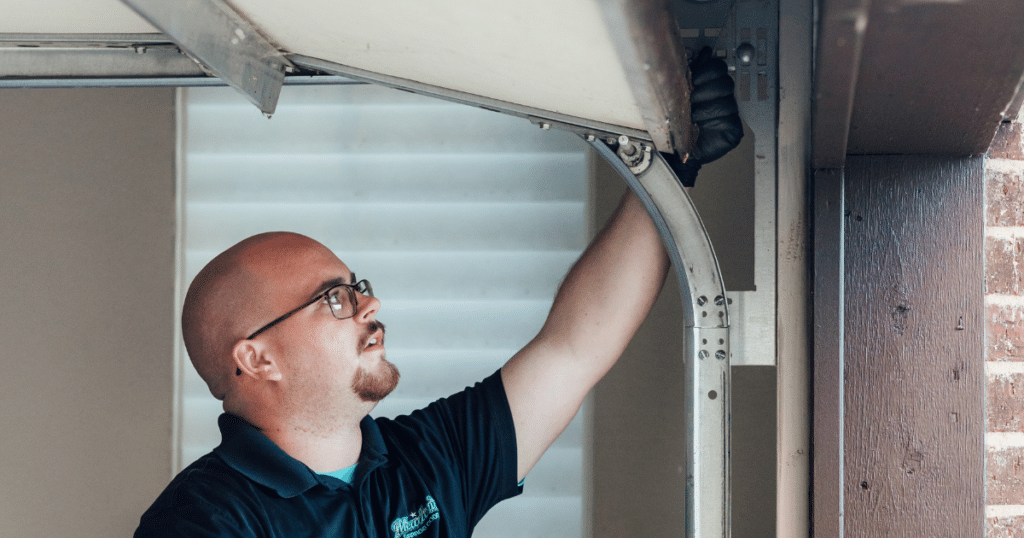
Your garage door is the largest moving feature in your home, which is why safe operation needs to come first, even if an automatic opener makes daily use feel effortless. Convenience is great, but it should never outrank protection, especially when one heavy door cycles up and down near people, pets, and vehicles. Built into that safety equation are garage door sensors, working silently as part of the system to prevent accidents before they happen.
Understanding how these sensors function and which safety standards apply in your area gives you a clearer view of what “safe” really means, so you are not relying on guesswork when something feels off or when a garage door service visit becomes necessary. With that awareness, you can recognize early warning signs more quickly and keep your garage door opener system running smoothly, because you know what normal performance looks like and what falls outside it.
How Garage Door Safety Sensors and Garage Door Sensors Work in Wake Forest
To keep an automatic garage door operating safely, the system relies on a matched pair of garage door sensors positioned on either side of the doorframe near the floor. Together they create an invisible safety line across the opening, designed to prevent the door from closing on a person, pet, or object. The way garage door sensors work is straightforward: one unit sends an infrared beam, and the other receives it, forming a light-based tripwire that stays active whenever the door is in motion.
When that beam is interrupted while the door is closing, the garage door safety sensor immediately signals the opener to stop and reverse direction, so the door lifts back up instead of continuing downward. This built-in safeguard comes standard with modern garage door systems because it reduces the risk of injury and property damage, especially in busy households where movement through the opening can happen unexpectedly. With that foundation in place, it becomes easier to understand the specific role a garage door remote sensor plays in everyday safety.
If you want a deeper, clear-cut breakdown of the technology and the real-world safety value behind it, take a look at our related guide, “How Does a Garage Door Sensor Work and Why Is It So Important?”
What a Garage Door Remote Sensor Does for Everyday Safety
A garage door remote sensor exists for one purpose above all else: to prevent accidents that can happen when a heavy door closes into a space you cannot fully see. Sitting just inches above the ground, these sensors are calibrated to detect low-level obstacles such as small children, pets, toys, or the edge of a vehicle, which can be easy to miss from inside a car or even from the doorway. Without that protective layer, a closing garage door could strike someone or something in its path, creating a serious safety risk that is avoidable by design.
As soon as the sensor detects an obstruction, it triggers an instant reversal, so the door rises back up and clears the hazard, turning a simple remote command into a safer action. The garage door safety sensor works alongside the garage door remote sensor to monitor every close cycle, staying alert in the background rather than only reacting when you notice a problem. Because it is always watching, it delivers peace of mind that feels automatic too, since you know the system is actively protecting your family and your property each time the door moves.
Core Technology Behind Garage Door Safety Sensor Systems
At the center of garage door safety sensor systems is infrared technology, which uses two compact devices that function as a single protective unit. One side acts as the sending unit, projecting a focused infrared beam across the garage opening, while the other side serves as the receiving unit that continuously tracks that beam. Because the light is invisible, the system operates quietly without getting in the way, even as it forms a constant safety boundary during operation.
Each sensor contains a photo-eye lens that “looks” for the infrared signal, allowing the garage door to close normally as long as the beam remains uninterrupted, even when other issues in the system, such as a broken garage door spring replacement, have been addressed separately. When something crosses the threshold and blocks the light, the break is detected instantly, which prompts the opener to halt the closing motion and reverse upward in the same moment. This reliable beam-and-receiver design is what allows garage door sensors to prevent accidents in real time, since the system responds not after impact but at the first sign of interference.
Local Safety Standards for Garage Door Sensors Near Me
Federal safety rules have required a reversing system with photoelectric garage door sensors on all electric openers sold in the United States since January 1993, which is why most local building codes reflect the same requirement today. For homeowners, that means working garage door sensors are not only a helpful safety feature but a legal requirement tied directly to how garage doors are allowed to operate in residential spaces.
Keeping your system aligned with these standards matters because the goal is simple and serious: preventing injuries and avoiding property damage before they can happen. Beyond protecting the people and belongings in your home, compliance also reduces the chance of liability if an incident occurs, since safety requirements exist to make sure garage doors reverse the moment a closing path becomes unsafe. With that context in mind, it helps to look closer at what the regulations actually demand from every garage safety sensor.
For a closer look at what those reactions mean in real life and why the system responds the way it does, you might also want to read “Garage Door Sensors and Why They React to Movement and Obstacles.”
Regulatory Safety Requirements for Every Garage Safety Sensor
Safety standards for garage door sensors were introduced to prevent entrapment hazards after years of incidents involving automatic doors that could close without detecting someone in the opening. Before these rules existed, the risk was highest for children and pets who might be too small to be seen in time, which is why modern regulations require a non-contact garage door safety sensor that detects obstacles using a photoelectric beam rather than physical pressure.
Under these requirements, the garage door must reverse within seconds if the infrared beam is interrupted, which ensures the door reacts before contact can occur. The standards also specify low placement near the floor so the sensor can detect small bodies or objects that are most likely to be in danger, creating a consistent safety baseline for every home that uses an automatic opener. Because these protections only work when the sensor system performs as intended, local codes build on federal rules to define exactly how compliance should look.
How Building Codes Guide Garage Door Safety Sensor Use
Local building codes take the federal requirements for garage door sensors and turn them into clear, enforceable rules for homes in your area, especially when a new door is installed or an opener is replaced. These codes are meant to standardize safety across neighborhoods, so homeowners can expect the same core protections regardless of who built the house or when the garage system was added.
Most codes focus on three fundamentals: sensor placement on both sides of the door near floor level, a self-reversing function that activates when the beam is broken, and visible status indicators that confirm the garage door safety sensor is active and functioning, expectations that influence safety practice for residential systems and commercial overhead doors alike. When these elements are present and operating within the code’s expectations, your garage door system is meeting a safety standard designed to protect people first, while also limiting damage to vehicles and property if something crosses the doorway unexpectedly.

Common Issues That Affect Garage Door Sensors
Even well-designed garage door systems can run into problems that affect how garage door sensors perform, which is why malfunctions are usually less about advanced technology failing and more about everyday conditions interfering with the safety setup. When sensors are disrupted, the door may refuse to close, reverse unexpectedly, or fail to react to an obstruction at all, creating a safety concern that feels sudden but often builds from small changes over time. Most issues trace back to the sensor’s position or physical condition, since misalignment, obscured lenses, or compromised wiring can interrupt the infrared beam that the system depends on.
Understanding the common ways garage door sensors get thrown off helps you recognize why the door behaves inconsistently when something in the safety line is no longer working as intended. A system that reverses without reason or continues closing when it should not is usually signaling that the sensors are not reading the doorway correctly, which is why awareness of typical failure patterns matters for safety and reliability. With that baseline in mind, the next sections break down the most frequent problems and the warning signs that tend to show up first.
If you want to explore these problems in more detail and see how they typically show up in everyday use, check out our companion piece, “Garage Door Sensors Issues That Keep Doors From Closing Properly.”
Misalignment and Obstruction Problems in Garage Door Sensors
Misalignment is one of the most frequent reasons garage door sensors stop working properly, since both units sit low to the ground and can be shifted by minor impacts, vibrations, or routine activity near the doorway. When the sending unit and receiving unit are no longer facing each other precisely, the infrared beam cannot complete its path, and the opener interprets that as a break, the same way it would interpret a real obstacle. A persistent blinking or unlit indicator is often the clearest signal that alignment has been disrupted, especially when the door refuses to close or reverses immediately.
Obstruction is another common issue because the sensor lenses are exposed to dust, residue, and moisture that can gather slowly and interfere with the beam just enough to mimic a blocked doorway, sometimes creating confusion that feels like a problem with the garage door motors, even when the sensors are the real trigger. When that happens, the system reacts defensively, which can make door movement feel random even though the sensors are doing exactly what they are designed to do when visibility is unclear.
The most common warning signs usually include:
- The garage door starts to close, then reverses with no obvious obstruction.
- The opener’s main light flashes during or after a closing attempt.
- One sensor indicator blinks or remains off while the other stays steady.
- The door only closes when the wall control is held down continuously.
Performance Warning Signs Linked to Garage Door Sensor Replacement
Some sensor problems resolve when alignment or visibility is restored, but repeated failures that persist after obvious issues are ruled out can point to internal wear that affects performance. When indicator lights continue blinking or stay off despite normal conditions, it often suggests that the sensor is no longer reading or transmitting consistently, which is the sort of decline that tends to worsen rather than stabilize. This is also true when the sensor housing or wiring shows visible deterioration, since years of exposure can lead to fraying, pinching, or corrosion that interrupts the electrical signal the system relies on.
When a garage door sensor or its wiring is physically compromised, reliability becomes unpredictable, and safety declines as the beam may fail without warning. Knowing the difference between a temporary disruption and a deeper breakdown matters, since a sensor that works only sometimes cannot be trusted to protect the doorway every time the door moves. Warning signs that commonly align with garage door sensor replacement include:
- Indicator lights remain off or blinking under normal, clear conditions.
- Sensor casings are cracked, or wiring appears worn, frayed, or damaged.
- Sensors function intermittently, then fail without a consistent pattern.
- The door completes a full close even when something is in the opening.
If you see any of these patterns repeating, the key takeaway is that the safety system may no longer be reliable, which is exactly what garage door sensors are designed to prevent, even when the door is operated using everyday garage door clickers.
Garage Door Sensors and Garage Door Safety Sensor Compliance in North Carolina
In North Carolina, as in the rest of the United States, automatic garage doors are expected to meet federal safety regulations, which is why state and local building codes reinforce those same standards at the residential level. Every garage door opener must include a functioning safety reversal feature, and that requirement depends on garage door sensors doing their job consistently. Keeping your sensors in proper working condition is not just a convenience you benefit from day to day, but part of staying compliant with the rules that govern safe garage operation in your area.
Meeting these standards matters because safety codes are written to protect people first, especially in a space where a heavy moving door shares the same path as children, pets, vehicles, and everyday foot traffic, including during or after a garage door installation when the system is first put into service. When a garage door system falls out of compliance, the risk is not only physical but also legal, since failures tied to nonworking safety features can create questions of responsibility after an incident. Understanding why sensor operation is treated as a core requirement helps clarify what the state expects from every garage door system, especially where safety is concerned.
Why Garage Door Safety Sensor Operation Matters Under State Rules
State rules emphasize garage door safety sensors because they address the specific hazard that caused many serious accidents before modern standards were adopted, which is the door closing into a space without detecting what is in its path. The garage door safety sensor, particularly the photo-eye system, is designed to prevent entrapment by identifying an obstruction and triggering reversal before contact can occur. If that safety feature fails, the system no longer meets the standard that North Carolina building codes are meant to uphold, since the door loses its most reliable layer of protection.
A properly operating sensor system ensures the garage door responds to real-world conditions the moment they become unsafe, which is why compliance is not treated as optional or secondary. When the photo-eye beam cannot be read correctly because of a malfunction or damage, the safety reversal function becomes unreliable, and the door can behave in ways that put people or property at risk. Keeping garage door sensors dependable is therefore about more than following rules on paper, since the purpose of those rules is to make sure the door never becomes a danger while performing a routine task, a safety principle widely recognized in the broader discussion of modern opener systems on Wikipedia.
Approved Garage Door Safety Sensor and Garage Door Remote Sensor Types
When you look at the approved types of garage door sensors used in homes, the photoelectric garage door safety sensor system is the standard you will see most often, since it is required by federal law and comes with essentially every modern garage door opener. Using infrared technology, these garage door sensors project a beam across the garage opening so the system can detect a person, pet, or object in the path without needing physical contact, which is why this design remains the most widely accepted safety approach. While the housings may look slightly different from one model to another, the core setup stays the same, because each system includes a sending unit that maintains the infrared beam, a receiving unit with a photo eye that monitors it, indicator lights that confirm power and proper alignment, and wiring that connects everything directly to the opener’s logic board. This connection is what allows the garage door remote sensor, motor, and safety sensor to operate as one coordinated safety network, so the door will only close when the beam is clear and will override any close command the moment the garage door safety sensor detects interference.
Understanding how your garage door sensors work and which safety standards apply in your area is essential for keeping your garage door system reliable and safe for everyone at home, because those sensors use precise infrared technology to detect obstructions and prevent unsafe closing without you having to think about it. Staying aware of local rules and the common issues that can affect sensor performance, such as misalignment or interference, helps you recognize when something is starting to drift out of normal operation, so concerns can be addressed before they grow into real safety risks. When you keep learning what the core sensor system is designed to do and why the regulations exist, you are better prepared to respond appropriately if your garage door safety sensor ever needs professional evaluation, which supports long-term safety and peace of mind. Above all, it is worth remembering that these door sensors are not a minor add-on but a central protection feature, since they help ensure your garage remains a safe space for your family, pets, and property every time the door moves.
When safety and compliance matter, having a local team that understands garage door sensor standards makes the difference, which is exactly what DoorJam Garage is here for. Whether you’re dealing with performance concerns or simply want confidence that your system aligns with current safety expectations, we focus on keeping your garage door setup dependable and protective for everyday use. Contact us today or give us a call to schedule a professional garage door sensor check and keep your home safe with a system you can trust.
Frequently Asked Questions
What safety benefits come from properly working garage door safety sensors and garage safety sensor systems?
Properly working garage door safety sensors protect people and property by preventing a closing door from continuing once something enters its path, which is why they are considered the most important safety layer in an automatic garage system. Using a photo-eye beam that detects interruptions in real time, the garage door safety sensor signals the opener to stop and reverse before contact can occur, reducing the chances of injury, pet accidents, or vehicle damage. When this garage safety sensor system performs as designed, it turns the garage into a safer everyday space and gives homeowners confidence that the door will not create danger during routine use.
How do garage door sensors near me align with Wake Forest rules for every garage door safety sensor?
Garage door sensors near Wake Forest are expected to meet the same federal safety requirements that apply nationwide, which is why local building codes reinforce the use of photoelectric garage door safety sensors on automatic opener systems. These standards require a reversing response when the sensor beam is interrupted, so the door cannot close through an occupied or obstructed opening. Because local compliance depends on the safety feature working consistently, keeping garage door sensors in proper operating condition supports both household safety and alignment with the rules that govern residential garage doors in the area.
When is garage door sensor replacement typically required to meet garage door safety sensor expectations?
Garage door sensor replacement is typically needed when the sensors show persistent performance failures or visible deterioration that indicates the safety system can no longer be relied on. If indicator lights remain abnormal or sensor response stays inconsistent even under clear, normal conditions, it often suggests internal wear rather than a temporary disruption. Replacement also becomes a safety expectation when wiring or sensor housings are damaged, since compromised components can prevent the garage door safety sensor from detecting obstructions reliably during a closing cycle.
How do garage door sensors work, and what is the role of a garage door remote sensor?
Garage door sensors work by creating an invisible infrared beam across the lower opening of the garage, which functions as a safety boundary while the door closes. When something breaks that beam, the sensors communicate instantly with the opener so the door stops and reverses before making contact. This safety action is closely tied to the way a garage door remote sensor command is handled, because the system allows the door to close only if the beam remains clear, placing sensor input ahead of any close instruction.
What types of garage door safety sensor systems are commonly used in modern garage door sensors?
Modern garage door sensors most commonly rely on photoelectric safety systems, pairing a sending unit with a receiving unit to maintain a continuous infrared beam across the doorway, which lets the receiving photo eye confirm that the closing path is clear before normal operation continues. Because this design prevents entrapment through detection rather than contact, it has become the standard garage door safety sensor setup in residential systems, a point reinforced by the Building Safety Journal in its discussion of International Residential Code provisions that recognize photoelectric sensors as the primary obstruction-detection method for automatic garage doors.
What causes garage door safety sensors to stop detecting obstructions in garage door sensor systems?
Garage door safety sensors can stop detecting obstructions when the infrared beam is weakened, interrupted, or no longer read correctly by the receiving unit. This can happen if the sensor lenses are obscured, if the units are no longer aligned to one another, or if electrical continuity is compromised through wiring damage. In some cases, internal component wear reduces the sensor’s ability to process the beam consistently, creating a safety risk because the system may fail to react when an obstruction is present.
What causes garage door sensors to misalign over time, affecting the garage door safety sensor function?
Misalignment usually develops because garage door sensors sit low on the track, where everyday activity can shift their brackets gradually, especially when objects, vehicles, or stored items brush against them. Vibrations from repeated door movement can also loosen mounting points over time, which changes the sensors’ aim by small degrees that are enough to disrupt the beam. When the sending and receiving units no longer face each other precisely, the garage door safety sensor function becomes unreliable because the system reads the doorway as blocked even when it is not.
How long do garage door sensors typically last before garage door sensor replacement becomes a safety concern?
Garage door sensors often remain functional for many years, but their lifespan depends on consistent exposure to environmental wear such as moisture, physical impact, or electrical irregularities. As sensors age, internal components and wiring can degrade in ways that reduce detection accuracy, which is when garage door sensor replacement becomes more of a safety concern than a convenience choice. The key issue is reliability over time, since a safety sensor that cannot be trusted to respond consistently no longer supports a compliant and safe garage door system.
What do garage door safety sensors look like, and where are garage door sensors usually positioned?
Garage door safety sensors are small rectangular units mounted on brackets at the lower sides of the door track, positioned close to the floor so they can detect low-level obstacles. Each unit includes a photo-eye lens that either sends or receives the infrared beam, along with an indicator light that shows the sensor is powered and communicating. Their low placement and paired alignment are deliberate because that configuration allows the garage door safety sensor system to monitor the most vulnerable area of the closing path.
Can wiring or power issues reduce the reliability of garage door sensors and the garage door remote sensor?
Yes, wiring and power issues can reduce reliability because garage door sensors depend on stable electrical signals to transmit and read the infrared beam accurately. When wiring is compromised through wear, corrosion, or physical damage, the sensor may deliver weak or inconsistent communication to the opener, which affects how the door responds to a close command. Electrical instability also impacts garage door remote sensor performance, since the safety system can only override closing instructions when the sensors remain fully powered and responsive during operation.