
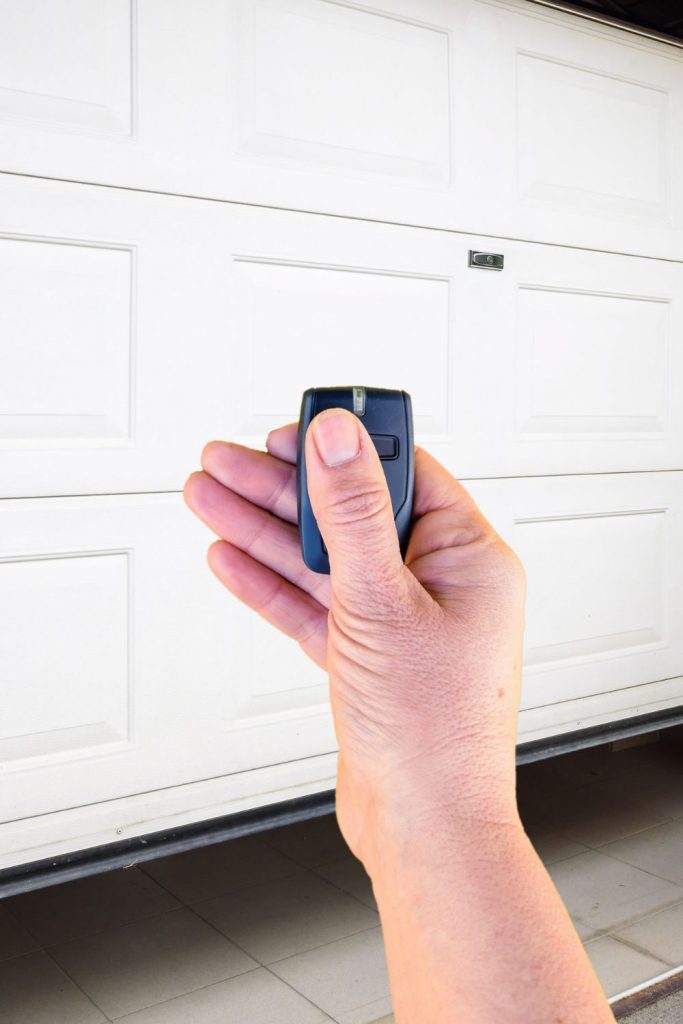
Buying a garage door opener feels straightforward until you are standing in the aisle or scrolling through listings and realizing there are dozens of options with different motors, drive types, smart features, and safety specs. The wrong choice can mean years of frustration, frequent repairs, or a system that simply does not fit your garage setup.
The good news is that knowing what to look for makes the decision much easier. This guide walks you through the most important factors to evaluate before you buy, so you can choose a system that fits your home, your lifestyle, and your budget without second-guessing yourself later. Whether you are replacing an old unit or outfitting a new garage in Wake Forest, NC, these are the things that actually matter.
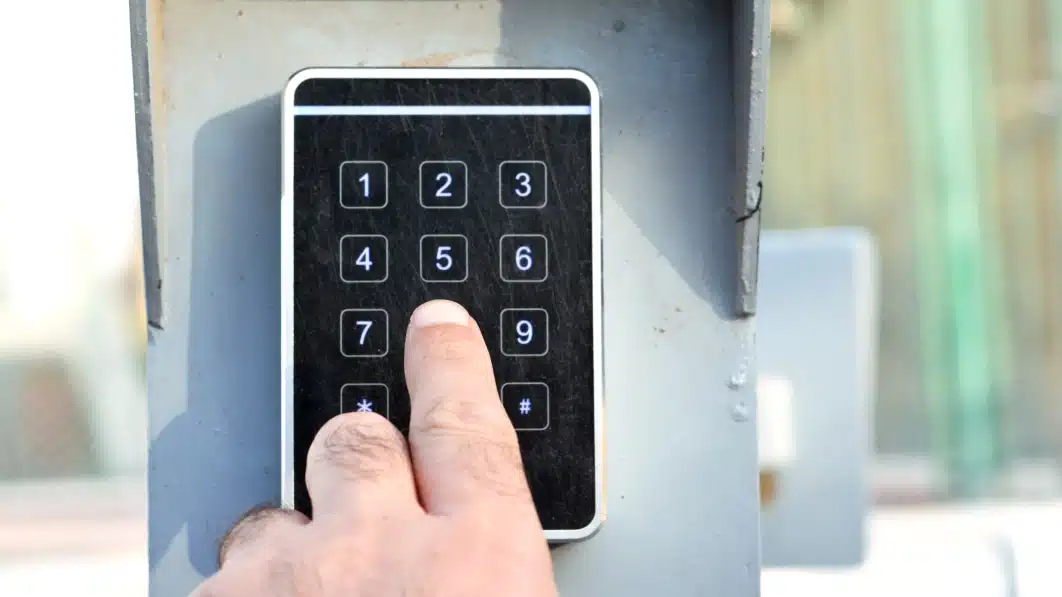
Start With the Right Motor Power for Your Door
Motor power is one of the first things to nail down because choosing the wrong horsepower for your door type leads to either an underpowered opener that wears out quickly or an overpowered one that costs more than necessary.
Here is a general breakdown to guide your decision:
- 1/2 horsepower is the standard choice for most single-car garage doors made of lightweight steel or aluminum. It handles everyday use well and is the most common option for residential homes.
- 3/4 horsepower is a better fit for heavier doors, double-car garages, or doors made of solid wood and other dense materials. The extra power reduces strain on the motor and extends the unit’s lifespan.
- 1 horsepower and above is designed for oversized doors, commercial-style residential garages, or doors that see very heavy daily use.
- Check your door’s weight before buying. Most manufacturers list compatible door weights in their product specifications. Matching the motor to the door weight is more important than simply choosing the highest horsepower available.
Before assuming your opener needs to be replaced, read Why Your Garage Door Opener Won’t Sync and How to Repair It to rule out the simpler causes that most homeowners overlook before spending money unnecessarily.
Understand the Three Main Drive Types
The drive system determines how the opener moves your door, and each type has trade-offs in terms of noise, maintenance, and cost. Understanding the differences helps you choose one that fits your garage’s layout and your household’s daily routine. The drive type you choose also affects how straightforward a garage door tune-up will be, since some systems have more moving parts that need regular attention than others.
Here is what each drive type offers:
- Chain drive openers use a metal chain to pull the trolley along the rail. They are the most affordable option and highly durable, but they are also the noisiest. If your garage is detached or away from living spaces, the noise is less of a concern.
- Belt drive openers work the same way as chain drives but use a rubber belt instead. They operate much more quietly, making them the preferred choice when the garage is attached to the home or located below a bedroom.
- Screw drive openers use a threaded steel rod to move the trolley. They have fewer moving parts, which means less maintenance, but they can be sensitive to temperature changes and may perform inconsistently in areas with extreme seasonal shifts.
- Direct drive openers have the motor itself travel along the rail, which eliminates almost all moving parts. They are extremely quiet and low-maintenance but tend to cost more upfront.
Check for Rolling Code Security Technology
Security is not something to overlook when evaluating garage door openers. Your garage is often a direct entry point into your home, and older systems with fixed access codes are vulnerable in ways that many homeowners do not realize.
Here is what to look for on the security side:
- Rolling code technology generates a new access code every single time the remote is used. This prevents code-grabbing devices from capturing and reusing your signal to gain unauthorized access.
- Most openers made after 1996 include rolling code technology, but it is worth confirming before buying, especially with budget or off-brand options.
- Some systems offer additional encryption layers for smart-connected models, adding another level of protection for homeowners who control their garage through a smartphone app.
- Avoid fixed-code systems entirely. They are outdated, less secure, and not worth the small cost savings they offer.
Decide Whether You Want Smart Home Compatibility
Smart garage door openers have moved from a luxury feature to a practical convenience that many homeowners find genuinely useful. Before buying, decide whether smart connectivity is something you will actually use or just a feature you are paying extra for.
Here is what smart connectivity typically offers:
- Remote monitoring and control through a smartphone app
- Real-time alerts and notifications
- Integration with smart home platforms
- Automatic closing schedules
- Some smart features require an additional Wi-Fi bridge accessory
Look at the Safety Features Built Into the System
Modern garage door openers are required to include specific safety features, but the quality and reliability of those features can vary between brands and models. Knowing what to look for helps you choose a system that genuinely protects your family.
Key safety features to confirm before buying:
- Auto-reverse function.
- Photoelectric sensors
- Manual release
- Vacation lock or remote lockout
- Battery backup
Consider the Rail Length and Ceiling Clearance
A garage door opener that does not physically fit your garage is useless no matter how many features it has. Before buying, take a few measurements to confirm the unit you are considering will work with your space.
Here is what to measure and check:
- Standard rail length for most residential openers is seven feet, which works for doors up to seven feet tall. If your door is taller, you will need an extension kit or a model designed for high-lift applications.
- Ceiling clearance above the door. There needs to be enough space for the opener unit, the rail, and the door to travel along its tracks when opening. Low-ceiling garages may require a low-clearance or jackshaft opener instead of a traditional overhead unit.
- Jackshaft openers mount on the wall beside the door rather than on the ceiling, making them ideal for garages with limited overhead space or high-lift door setups.
- Measure your door width and height and confirm the opener’s compatibility before purchasing, especially if your garage has non-standard dimensions.
This Old House covers how garage door dimensions and clearance affect opener compatibility in detail, which is a helpful reference if your garage has a non-standard ceiling height or door size that may limit your options.
Evaluate the Warranty and Brand Reputation
A garage door opener is a long-term investment, and the warranty and brand reputation behind it matter more than most buyers realize at the time of purchase. Choosing a brand with strong support also means easier access to garage door repair services and parts if something goes wrong years down the line.
Here is what to consider:
- Motor warranties on quality openers typically range from five years to a lifetime, depending on the brand and model tier. A longer motor warranty signals confidence in the product’s durability.
- Parts and belt or chain warranties are usually shorter, often one to five years. Know what is covered and for how long before committing.
- Brand reputation for parts availability. Some brands discontinue parts support for older models quickly, which can make repairs difficult or impossible down the road. Choosing a brand with a strong track record of parts availability protects your investment longer.
- Read verified homeowner reviews rather than relying on star ratings alone. Look specifically for comments about long-term reliability, customer support experiences, and how the unit performs after several years of use.
Knowing the safety and performance standards that reputable garage door brands follow, as outlined by ULSE, gives you a stronger basis for evaluating whether a brand’s warranty claims are backed by genuine engineering standards.
Think About Noise Level and Your Home’s Layout
If your garage is attached to your home, particularly if it shares a wall with a bedroom or living area, the noise level of your opener is something you will notice every single day.
Here is how to evaluate noise before buying:
- Belt drive and direct drive systems are the quietest options and are strongly recommended for attached garages.
- Chain drive systems are significantly louder and are better suited for detached garages where noise does not carry into living spaces.
- Check the decibel rating if the manufacturer provides one. Lower decibels mean quieter operation.
- Vibration-resistant mounting hardware can further reduce noise transmission through the ceiling and walls. Some premium models include this as part of the package.
- If you have young children or light sleepers in your home, noise level should rank near the top of your decision criteria rather than being an afterthought.
Factor In Installation Requirements
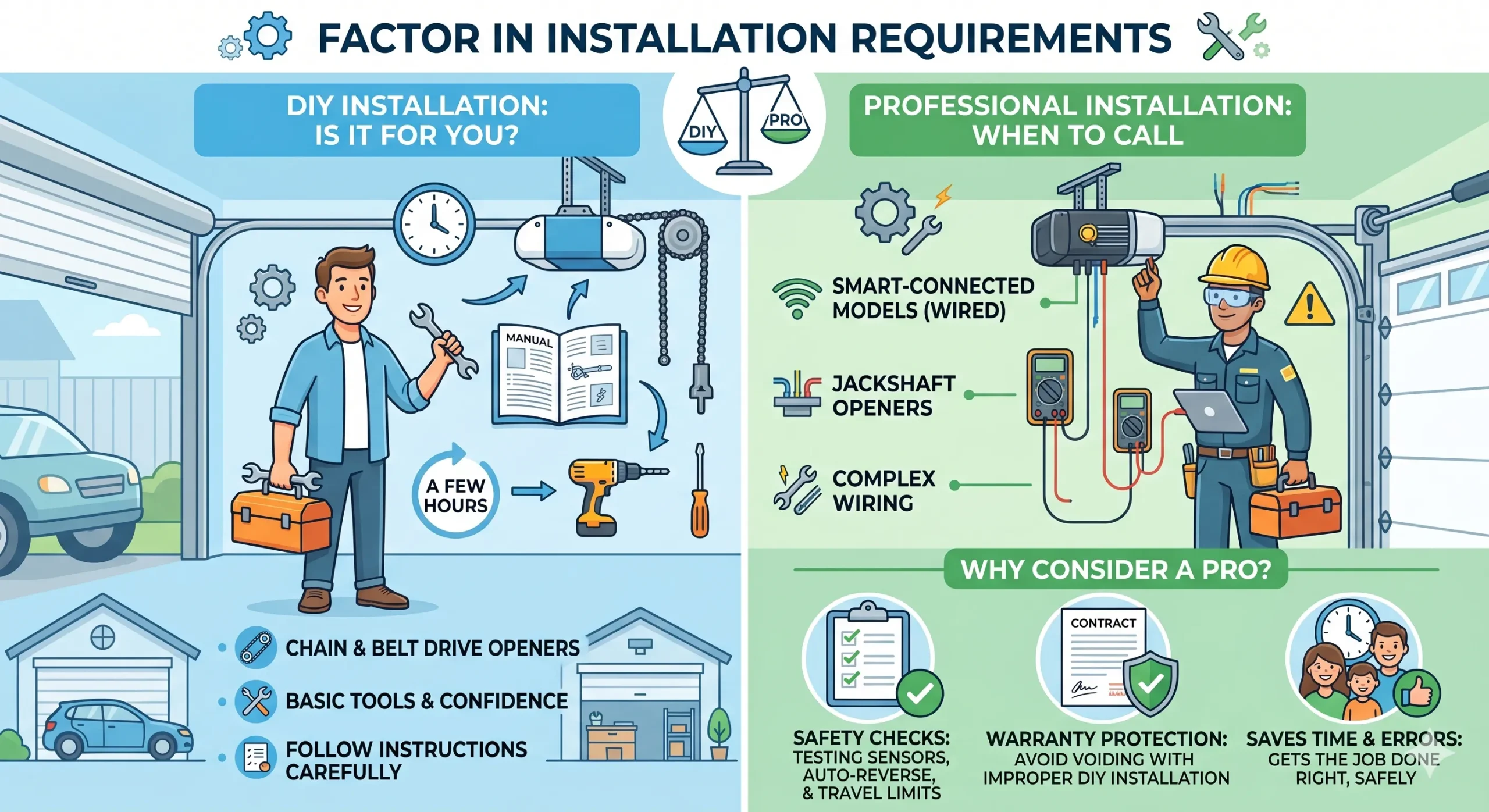
Some garage door openers are designed for straightforward DIY installation, while others genuinely require a professional to install correctly. Knowing which category your chosen opener falls into saves you time and prevents installation errors that can affect performance and safety.
Consider these installation factors:
- Most standard chain and belt drive openers come with detailed instructions and are manageable for a confident DIYer with basic tools and a few hours to spare.
- Smart openers with advanced wiring requirements or jackshaft models that mount differently from standard overhead units are better handled by a professional installer.
- Improper installation can void the warranty on many models, so check the fine print before deciding to install it yourself.
- Professional installation typically includes testing and calibration of the safety sensors, auto-reverse function, and travel limits, which ensures everything is set up correctly from the start.
If you are unsure whether your current system is worth replacing or if reprogramming it is the better move, reading about When Should You Replace vs. Reprogram Your Garage Door? can help you make a more confident decision before spending money on a new unit.
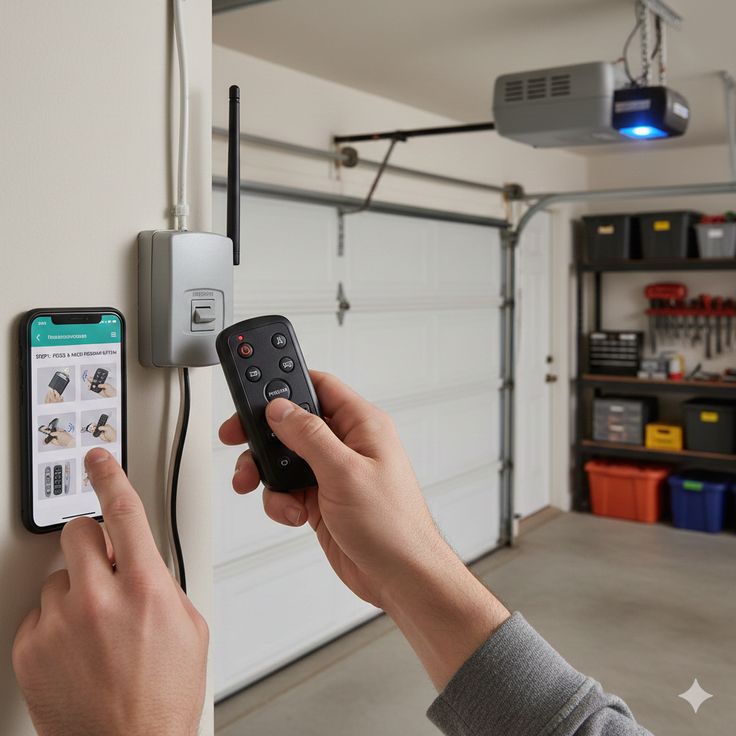
Do Not Overlook Compatibility With Your Existing Setup
If you are replacing an existing opener rather than installing one for the first time, compatibility with your current door hardware, remotes, and home network setup is worth checking before you buy.
Here is what to verify:
- Confirm the opener is compatible with your door’s spring system. Torsion springs and extension springs interact differently with the opener, and some models are optimized for one type over the other.
- Check whether your existing remotes and keypads will work with the new opener or if you will need to purchase new accessories. Some brands allow cross-compatibility while others require brand-matched accessories.
- Verify Wi-Fi frequency compatibility if you are buying a smart opener. Most home networks use 2.4 GHz, but some smart openers only connect on 5 GHz networks. Confirm the specs before buying.
- If you use a HomeLink system in your vehicle, check that the new opener supports HomeLink pairing, as some budget models do not.
Understanding what you already have before buying a replacement prevents compatibility surprises after the purchase. Once you have the right opener installed, you can follow our guide on How to Program a Garage Door Opener to get everything synced and running correctly from the start.
Making the Right Choice for Your Garage
Choosing a garage door opener is not just about picking the cheapest option or the one with the most features. It is about matching the right motor power, drive type, safety specs, and compatibility to your specific garage setup and daily lifestyle. Taking the time to evaluate each of these factors before buying means fewer problems, lower repair costs, and a system that works reliably for years to come.
If you are in Wake Forest, NC, and want guidance on which opener is the right fit for your garage, or if you need professional installation after making your choice, DoorJam Garage is here to help. Contact us or give us a call today, and our team will make sure you get the right system installed correctly the first time.