
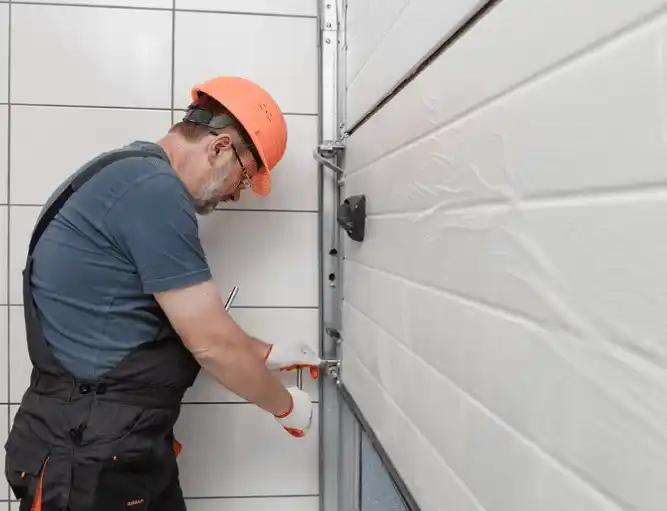
A noisy garage door is never just background noise. Every squeak, rattle, grind, and bang is a signal from a system that is under stress, and most of those signals are easier to misread than homeowners expect. What sounds like a loose bolt could be a door that is pulling against a weakening spring. What seems like a simple squeak might be a roller that is days away from seizing against the track.
Garage door systems involve components under serious mechanical tension, and the consequences of missing a warning sign go beyond simple inconvenience. A door that drops unexpectedly, a spring that snaps without notice, or a cable that fails mid-cycle are all real outcomes when noise problems go unaddressed or handled incorrectly. This is why garage door noise reduction should never be approached as a guessing game, and why professional evaluation is always the smarter and safer path forward.
Noise Signs That Seem Minor but Still Deserve a Professional Eye
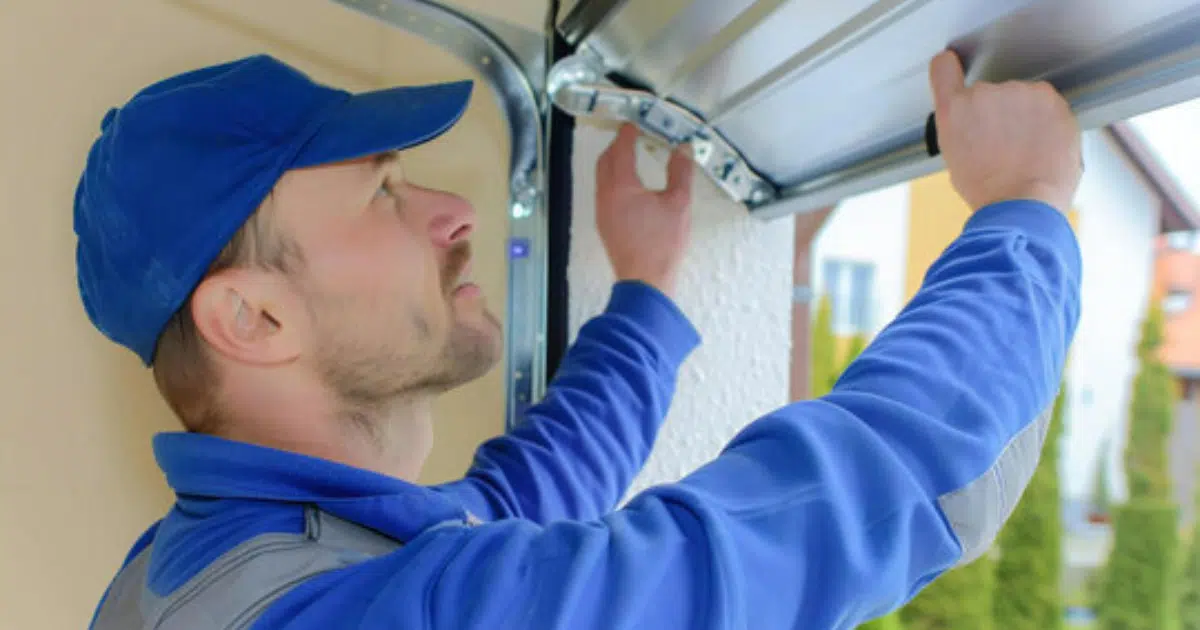
Some garage door sounds appear easy to dismiss. A little squeak here, a light rattle there. Most homeowners assume these are minor and put off dealing with them. The reality is that even sounds that seem small are worth having a trained technician evaluate, because what looks like a surface-level issue often has something bigger behind it. Delaying a garage door repair on what seems like a small noise is one of the most common ways minor problems turn into major ones.
Squeaking From Hinges or Rollers
- A squeaking sound during door movement typically points to dry or worn hinges and rollers.
- While applying lubricant may quiet it temporarily, the squeak often returns if the parts underneath are already wearing down.
- A technician can tell the difference between parts that just need lubrication and parts that are close to failing.
- Catching worn rollers or hinge pins early prevents them from damaging the track or placing extra load on the opener.
- What seems like a minor squeak is often the first sign of a component that needs replacing within the next few months.
Rattling During Opening or Closing
- Rattling usually comes from loose hardware, but loose hardware does not always stay loose for the same reason.
- Bolts that keep coming loose may indicate worn brackets, stripped threads, or a door that is subtly out of alignment.
- A technician inspects not just the loose bolt but the reason it keeps loosening, which is the part most homeowners miss.
- Addressing the root cause of rattling prevents it from progressing into a track alignment or panel issue.
- Getting a professional set of eyes on a rattling door early is always the more reliable path forward.
Mild Vibration That You Have Learned to Ignore
- Persistent vibration during operation is easy to tune out over time, but it is worth paying attention to.
- Vibration that travels through the ceiling or walls of the home often signals a mounting or balance issue inside the opener system.
- A technician can check opener mounting tension, drive calibration, and door balance in a single visit.
- Ignored vibration gradually loosens hardware throughout the entire system, compounding the problem quietly over time.
- A professional inspection gives you a clear picture of whether the vibration is harmless or the start of something that needs attention.
For a broader look at what a noisy garage door is actually costing your household, Garage Door Noise Reduction Tips for a Quieter Home covers the full scope of what proper maintenance and professional attention can do for your home.
These Noise Signs Mean It Is Time to Call a Professional Immediately
Some garage door sounds go beyond routine wear and signal a problem that is actively getting worse. These are the situations where continuing to use the door creates real safety risk and where a professional needs to take over right away.
A Loud Bang or Sudden Pop
- A sudden loud bang coming from the garage, especially one that happens while the door is in motion or at rest, almost always means a spring has broken.
- Torsion and extension springs are under extreme mechanical tension and store a significant amount of energy.
- A broken spring can cause the door to drop suddenly, creating a serious risk to anyone standing nearby.
- Do not attempt to operate the door after hearing this sound. Disengage the opener and leave the door in place.
- Spring replacement requires specialized tools and training and should never be treated as a DIY project.
Grinding That Gets Worse Over Time
- A grinding sound that gradually increases in intensity points to a mechanical component that is actively failing.
- This could be a worn opener gear set, a damaged roller bearing, or a track that has bent or shifted out of alignment.
- Continuing to operate the door accelerates the damage and can turn a single component repair into a much larger job.
- Grinding that comes from inside the opener unit is especially important to address quickly, as motor damage can follow.
- A technician can isolate the source of the grinding and stop the damage before it spreads.
Squealing That Does Not Respond to Lubrication
- If you have applied lubricant and the squealing continues or returns quickly, the parts are worn beyond the point where lubrication helps.
- Metal rollers with flat spots or cracked nylon rollers produce a squealing sound that lubricant cannot mask for long.
- Worn hinge pins inside cracked hinge barrels cause a similar sound and need physical replacement.
- Trying to force a lubrication fix on parts that need replacing adds wear to the surrounding components.
- A professional can assess the full roller and hinge set and replace what is needed in a single visit.
The Door Moves Unevenly or Jerks During Operation
- A door that stutters, dips on one side, or moves in a jerky pattern during opening or closing is out of balance.
- Balance issues almost always involve the spring system, which is not safe to adjust without proper training.
- An unbalanced door puts extreme stress on the opener motor, the cables, and the track system with every cycle.
- Left unaddressed, balance problems lead to accelerated wear across multiple components simultaneously.
- This is one of the clearest signs that a professional inspection is needed right away.
A broken spring is one situation where calling a professional is always the safer choice, and this resource on what to do when a garage door spring breaks explains why this repair should never be a DIY project.
What a Technician Checks That You Cannot Easily See
Part of the value in calling a professional is access to knowledge and perspective that goes beyond what most homeowners can assess on their own. A trained technician does not just listen to the noise. They trace it back to its source and evaluate the surrounding components at the same time.
Spring Tension and Balance Testing
- Technicians perform a balance test by disconnecting the opener and manually lifting the door to the halfway point.
- A properly balanced door stays in place at that position. One that drops or rises on its own has a tension problem.
- Spring tension adjustments require precise calibration and the right tools to avoid injury or door damage.
- This test takes about two minutes but reveals information that is impossible to gather just by listening to the door.
- Balance issues that go undetected cause opener motors to burn out significantly faster than they should.
Cable Condition and Alignment Checks
- Cables are easy to overlook because they are not the loudest part of a noisy door system.
- A technician inspects cables for fraying, kinking, uneven tension, and proper seating on the drum.
- A cable that is slightly off its drum creates a grinding or scraping sound that is easy to confuse with a track problem.
- Cable issues are also a safety concern. A failed cable can cause one side of the door to drop suddenly.
- Catching cable wear early during a routine inspection prevents emergency calls and potential injuries.
Opener Force and Sensitivity Settings
- Modern garage door openers have adjustable force and sensitivity settings that affect how hard the motor works to move the door.
- When these settings are off, the opener strains against the door’s resistance, producing noise and accelerating wear.
- A technician can recalibrate these settings in minutes during a service visit.
- Incorrect force settings also affect the auto-reverse safety feature, which is a code requirement for residential garage doors.
- This is something most homeowners never check and most standard maintenance videos never mention.
When noise is coming from your opener rather than the door itself, it helps to understand what is considered normal operation, and DASMA’s resource on garage door opener safety covers what homeowners should know before attempting any opener-related work.
A noisy garage door also affects more than just the mechanics of your home, and if you want to understand the full picture of what that noise is costing you, How Garage Door Noise Affects Your Home and Neighbors covers the impact that most homeowners do not see until it is too late.
How Often Should You Have a Professional Look at Your Garage Door?
For most homeowners in Wake Forest, NC, an annual professional tune-up is the right baseline. Doors that see heavier use, such as homes with multiple vehicles or businesses operating out of attached garages, benefit from a visit every six months.
Beyond the annual schedule, call a professional any time you notice a new sound that does not go away after basic lubrication and hardware checks. New sounds are almost always a signal that something has changed inside the system, and the sooner that change is identified, the less it tends to cost to address.
Understanding which specific parts are most likely behind recurring noise is also a useful context before a service visit. Garage Door Parts That Wear Out and Cause Loud Noises gives a clear breakdown of the components that fail most often and what each one sounds like when it starts to go.
Knowing When to Step Back Is Part of Good Home Maintenance
Handling small garage door maintenance tasks yourself is smart and practical. But recognizing when a problem has moved past what is safe to handle on your own is equally important. Springs, cables, and opener components are not forgiving when they fail, and the consequences of getting it wrong go beyond a repair bill.
DoorJam Garage is proud to serve homeowners across Wake Forest, NC, with honest, professional garage door repair and maintenance that takes the guesswork out of noisy garage door problems. When you are not sure what that sound means or whether it is safe to keep using the door, our team is ready to take a look and give you a straight answer. Contact us today or give us a call to schedule your inspection and get your garage door running quietly and safely again.