
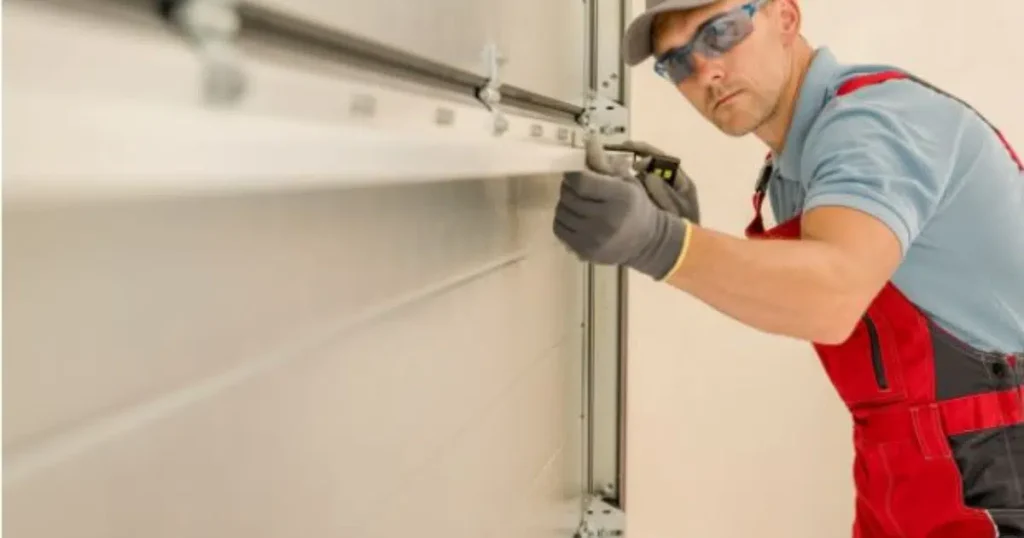
Most homeowners do not think about what is actually happening inside their garage door system until something goes wrong. And when it does, it almost always announces itself with noise. A grinding, squealing, rattling, or banging door is not just being dramatic. It is signaling that one or more of its components have reached the end of their service life or are in serious need of attention.
Understanding which garage door parts wear out most often gives you a real advantage. You can spot problems earlier and avoid unnecessary damage to other components. Effective garage door noise reduction almost always starts at the parts level, and knowing what to look for puts you ahead of costly failures.
Rollers: Small Parts That Make a Big Difference
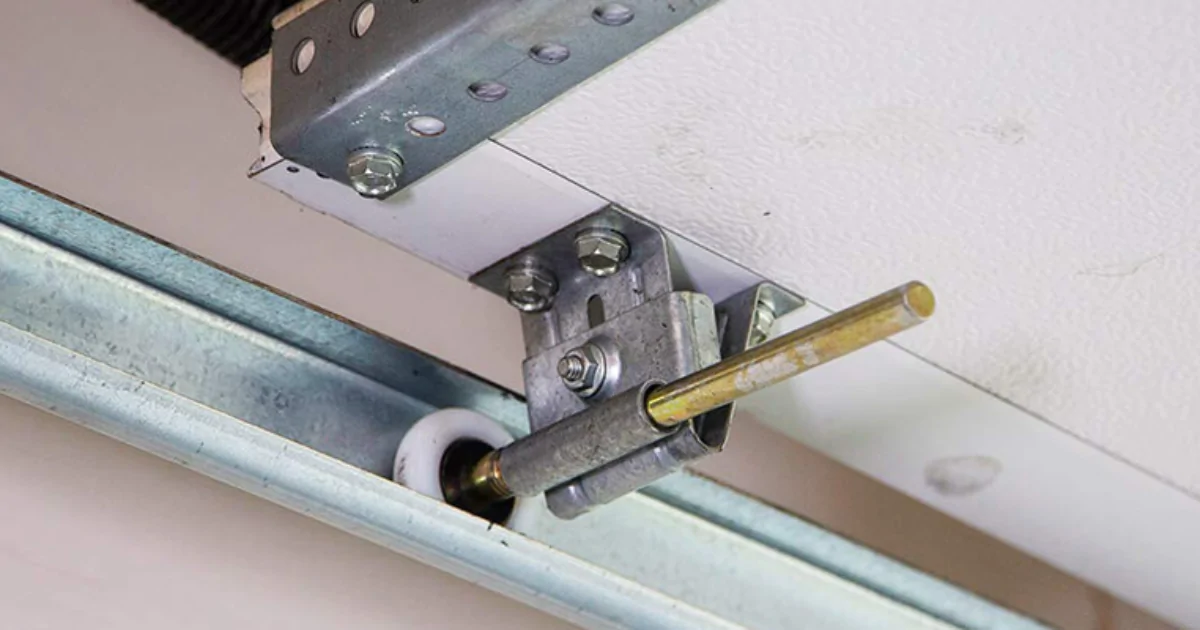
Rollers are among the hardest-working components in any garage door system. They guide the door panels along the track every single time the door moves, and they take a significant amount of stress with each cycle. When they start to fail, you will hear it.
Steel Rollers Wear Down Faster Than You Expect
- Steel rollers are the most common type found in older garage door systems.
- They are durable but loud by nature, and they become noisier as they age and lose their smooth surface.
- Worn steel rollers create a harsh grinding or scraping sound against the track.
- Rust buildup on steel rollers is common in humid climates and accelerates the wear process.
- Inspecting rollers for flat spots, cracks, or visible rust is a good habit every few months.
Nylon Rollers Are Quieter but Still Need Replacing
- Nylon rollers with sealed bearings run significantly quieter than steel and are the preferred upgrade for noise reduction.
- They do not rust and require less frequent lubrication than steel rollers.
- However, nylon rollers still crack and flatten over time, especially on doors that see heavy daily use.
- A cracked nylon roller produces a clicking or skipping sound as the door moves.
- Most rollers have a service life of around 10,000 to 15,000 cycles, which translates to roughly 7 to 10 years for average use.
What to Check and When to Replace
- Look for visible cracks, chips, flat spots, or rollers that wobble when spun by hand.
- If a roller does not spin freely, the bearing inside has likely seized.
- Seized or damaged rollers put extra strain on the opener motor and the tracks.
- Replacing all rollers at once during a service visit is more cost-effective than replacing them one at a time.
- A professional can assess the full roller set and recommend the right replacement type for your specific door.
If you want to understand the broader impact that a worn, noisy door has on your home and the people around you, How Garage Door Noise Affects Your Home and Neighbors covers that full picture in detail.
Springs: The Most Stressed Component in the System
Garage door springs do the heavy lifting, literally. They counterbalance the weight of the door so the opener does not have to carry the full load alone. Springs are under constant tension and have a limited number of operational cycles before they fail.
Torsion Springs and the Sounds They Make
- Torsion springs are mounted horizontally above the door opening and wind tightly as the door closes.
- A worn torsion spring produces a creaking or groaning sound during operation, especially in cold weather.
- When a torsion spring breaks, it typically produces a very loud bang, similar to a gunshot, that can be heard throughout the home.
- After a break, the door becomes extremely heavy and difficult or impossible to lift manually.
- Torsion springs should never be adjusted or replaced without professional training, as they are under extreme tension.
Extension Springs and What Failure Looks Like
- Extension springs run along the horizontal tracks on either side of the door and stretch as the door closes.
- They are more visible than torsion springs and easier to inspect for wear.
- A worn or weakening extension spring may produce a twanging or popping sound under load.
- Fraying cables attached to extension springs are a clear sign that the spring system needs immediate attention.
- Both springs in a pair should always be replaced together, as uneven tension causes the door to operate unevenly and noisily.
Springs are one of the most stress-bearing components of any garage door system, and knowing the signs of wear is important before a full break occurs, as this guide on replacing garage door springs explains in detail.
Hinges: The Connectors That Hold Everything Together
Hinges connect the individual panels of your garage door and allow it to bend and flex as it moves along the curved track. They are easy to overlook but critical to smooth, quiet operation.
How Hinges Wear Out Over Time
- Each hinge contains a small pin that sits inside a metal barrel, and this pin wears down with every door cycle.
- A worn hinge pin produces a squeaking or chirping sound that is most noticeable near the middle of the door.
- Hinges can also crack or bend, especially on heavier doors or doors that have been bumped by a vehicle.
- Cracked hinges cause the door panels to shift slightly out of alignment, which creates additional noise and uneven movement.
- Lubricating hinges regularly slows the wear process but does not reverse damage that has already occurred.
Signs a Hinge Needs Replacing
- Visible cracks running through the hinge body are a clear sign it needs to go.
- A hinge that feels loose even after tightening the mounting bolts has likely stripped its threads or cracked internally.
- Squeaking that continues after lubrication almost always points to a worn hinge pin rather than a dry surface.
- Replacing individual hinges is a manageable repair, but a technician should evaluate the full set during any service visit.
- Ignoring a cracked hinge puts added stress on the surrounding panels and the track system.
The International Door Association outlines key garage door care and maintenance practices that can extend the life of your door’s components and keep noise levels in check.
The Opener: When the Noise Comes From Above
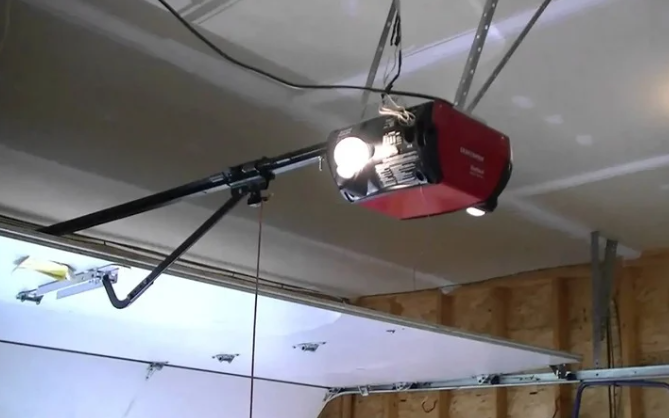
Not all garage door noise comes from the door itself. The opener mounted to the ceiling of your garage is a mechanical system with its own set of components that wear out over time. When the opener is the source, the sound profile is usually different from what you hear when the door hardware is failing.
Chain Drive Openers and Why They Are the Noisiest
- Chain drive openers use a metal chain to pull the trolley that moves the door, similar to a bicycle chain.
- They are among the most reliable opener types, but produce the most noise during operation.
- A loose or worn chain slaps against the rail and creates a loud rattling or clanking sound.
- Chain tension can be adjusted as part of a routine tune-up, but a worn chain eventually needs replacing.
- Homeowners in Wake Forest, NC, who prioritize quiet operation often upgrade from chain drive to belt drive during a noisy garage door repair visit.
Worn Gears and Stripped Drive Components
- Inside the opener unit, a set of plastic or metal gears transfers motor power to the drive mechanism.
- These gears wear down over years of use and produce a grinding sound when they begin to strip.
- A grinding opener that struggles to complete a full cycle is a strong indicator that the internal gear set needs replacing.
- Continuing to operate an opener with worn gears accelerates the damage and can eventually burn out the motor.
- A technician can open the unit and assess whether a gear replacement or a full opener upgrade is the better value.
Belt and Screw Drive Openers
- Belt drive openers use a rubber belt instead of a chain and run significantly quieter.
- Screw drive openers use a threaded steel rod and fall between chain and belt drive in terms of noise.
- Both types still have internal components that wear out, including the drive carriage and the motor brushes.
- Any unusual sound from the opener unit, whether grinding, humming, or clicking, warrants a closer inspection.
- Upgrading the garage door opener type is one of the most effective single changes for overall garage door noise reduction.
If understanding what causes opener noise has you thinking about the broader picture of garage door noise reduction, Garage Door Noise Reduction Tips for a Quieter Home covers the full range of solutions that keep Wake Forest, NC homes running quietly year-round.
Cables and Tracks: Often Overlooked but Critically Important
Cables and tracks work quietly in the background of every door operation. When they fail or fall out of condition, the noise and safety consequences can be significant.
Fraying Cables Are a Warning Sign
- Lift cables run from the bottom corners of the door up to the spring system and carry much of the operational load.
- Fraying or kinking in a cable is a clear sign it is nearing failure.
- A snapping or popping sound during door movement can indicate cable stress or partial failure.
- Cables under tension are dangerous to handle and should only be inspected and replaced by a trained technician.
- Do not attempt to operate a door with a visibly damaged cable, as full failure can cause the door to drop suddenly.
Track Misalignment and Debris Buildup
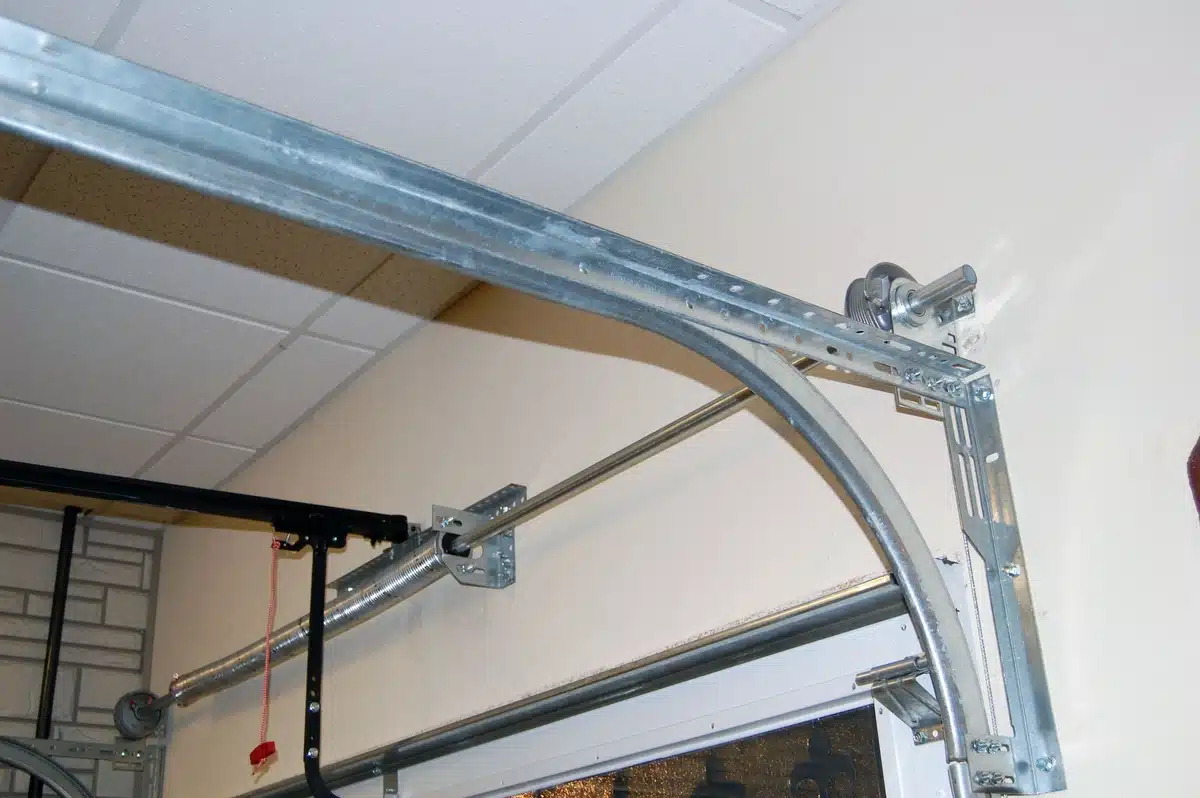
- The tracks that guide your door must be perfectly aligned for smooth, quiet operation.
- A door that scrapes, stutters, or produces a grinding sound along its travel path often has a track issue.
- Debris buildup inside the track creates friction and causes the rollers to skip or drag.
- Minor track dents can sometimes be tapped back into shape, but bent or warped tracks usually need replacing.
- Track alignment should be checked as part of every annual professional tune-up.
If you are unsure whether the noises you are hearing call for a DIY approach or professional hands, When to Call a Pro for Garage Door Noise Problems lays out exactly when it is time to step back and let a technician take over.
Staying Ahead of Worn Parts in Wake Forest, NC
Wake Forest homeowners deal with seasonal temperature swings that accelerate wear on rollers, springs, and hinges when regular maintenance is not in place. Staying ahead of worn garage door parts with routine inspections and an annual professional tune-up is always less disruptive and less costly than waiting for something to fail.
DoorJam Garage serves Wake Forest, NC, homeowners with thorough, professional garage door inspections and repairs that address noise at the source. Whether it is worn rollers, failing springs, or an aging opener, our technicians know exactly what to look for and how to get your door back to quiet, reliable operation. Contact us today or give us a call to schedule your service visit.