
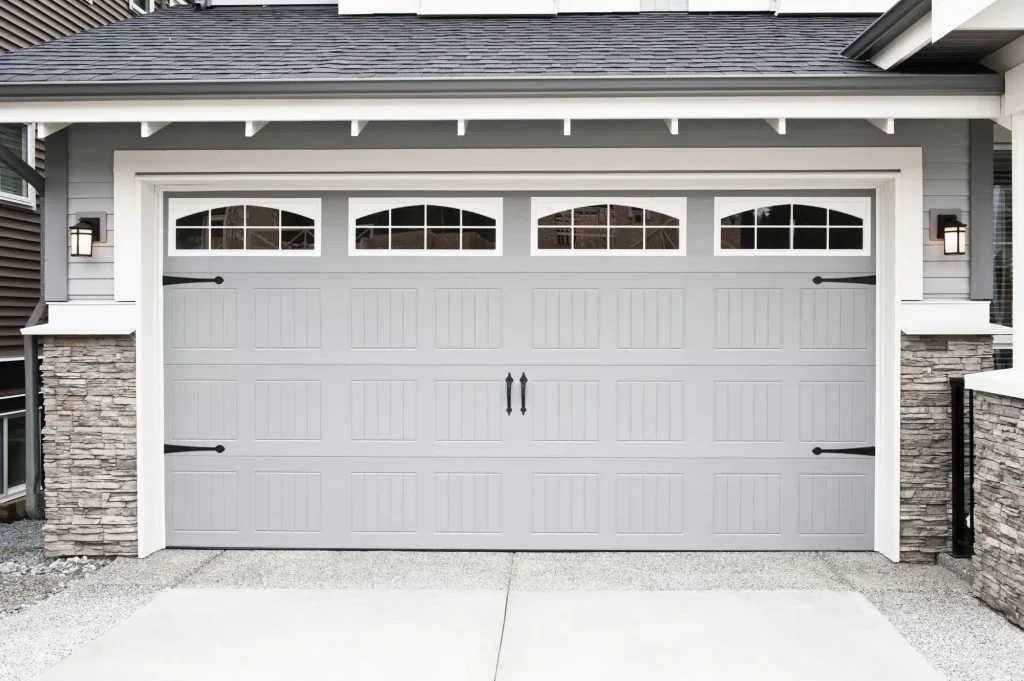
If you live in Wake Forest, NC, and your garage door sounds like a freight train every time it opens, you are not alone. A noisy garage door is one of the most common complaints homeowners deal with, and the good news is that most of the causes are fixable without a full replacement. Whether the sound is a grinding, squeaking, rattling, or banging, your door is trying to tell you something.
Effective garage door noise reduction is not just about comfort. A loud door can signal worn parts, loose hardware, or alignment problems that get worse over time if left alone. Catching those issues early saves you money and keeps your door running safely for years.
What Makes a Garage Door So Loud?
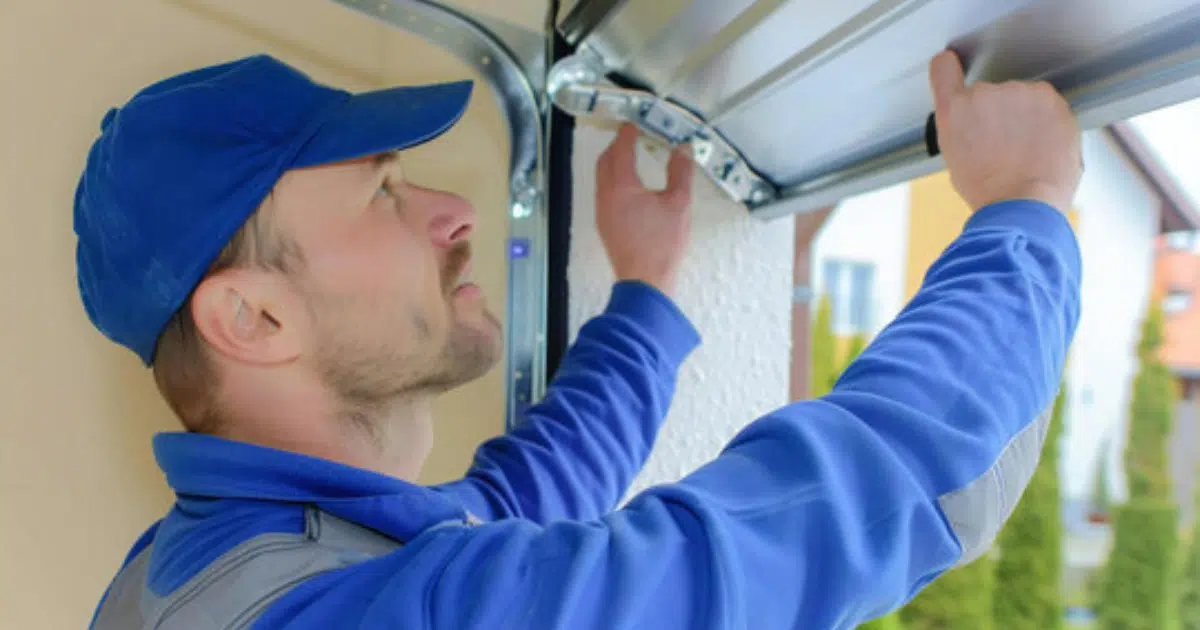
Before jumping into fixes, it helps to know what you are dealing with. A garage door is a large mechanical system with several moving parts, and noise usually comes from one or more of them losing their balance, lubrication, or structural integrity. Understanding the source is the first step toward a real noisy garage door fix.
Worn or Dry Rollers
- Rollers are the small wheels that guide your door along the track.
- Over time, they wear down, crack, or dry out, causing grinding or squeaking sounds.
- Nylon rollers tend to run quieter than steel ones and are worth considering during a replacement.
- Dry rollers create friction against the track, which produces that sharp, persistent squealing noise.
- Inspecting rollers every six months helps catch wear before it turns into a bigger problem.
If you want to understand what those sounds actually mean, read How Garage Door Noise Affects Your Home and Neighbors for a deeper breakdown of the impact.
Loose Hardware and Fasteners
- Vibration from daily use loosens bolts, nuts, and brackets over time.
- Loose hardware causes rattling sounds, especially during opening and closing.
- Checking and tightening hardware is one of the simplest noisy garage door fixes a homeowner can do.
- Pay close attention to the hinges and track brackets, as these take the most stress.
- Never overtighten, as this can strip the threads and cause more damage.
Unbalanced Door Panels
- An unbalanced door puts extra strain on the opener and creates uneven movement.
- This often results in a grinding or jerking motion accompanied by loud mechanical sounds.
- A simple balance test involves disconnecting the garage door opener and manually lifting the door halfway. If it does not stay in place, the springs are likely out of balance.
- Balancing issues are best handled by a trained technician, as the springs involved are under significant tension.
How to Reduce Garage Door Noise: Practical Tips That Work
Now that you know where the noise is coming from, here is how to reduce garage door noise using steps that are realistic for most homeowners. Some of these maintenance steps can make a noticeable difference right away, while others point toward a garage door repair that is best handled by a professional.
Lubricate the Moving Parts Regularly
- Use a silicone-based or lithium-based spray lubricant, not WD-40, which is a cleaner, not a long-term lubricant.
- Apply lubricant to the rollers, hinges, springs, and the opener chain or screw drive.
- Avoid lubricating the tracks themselves, as this can cause the door to slide unpredictably.
- Lubrication should be done at least twice a year or any time you start hearing squeaking sounds.
- A well-lubricated door runs smoother, quieter, and puts less strain on the opener motor.
Tighten All Bolts and Brackets
- Use a socket wrench to go through every bolt on the door and track system.
- Focus on the hinges, roller brackets, and the bolts connecting the track to the wall.
- This takes about 20 minutes and can dramatically reduce rattling sounds.
- Make it part of your seasonal maintenance routine.
- If you notice cracked or bent hardware during this process, replace it rather than just tightening it.
Replace Old Steel Rollers With Nylon
- Nylon rollers with sealed bearings are significantly quieter than steel.
- They do not require lubrication as frequently and last longer under normal use.
- This is one of the most cost-effective upgrades for garage door noise reduction.
- Most doors use between 10 and 12 rollers, so replacement is a manageable job.
- If the rollers show visible cracks or flat spots, they need to go right away.
Add Garage Door Insulation and Weatherstripping
- Insulation panels reduce vibration noise by adding mass to the door.
- Weatherstripping along the bottom and sides of the door blocks outside noise and drafts.
- This upgrade also improves energy efficiency, which is a bonus in Wake Forest’s varied climate.
- Insulation kits are available for most door types and can be installed without professional help.
- Focus on the bottom seal first, as this is usually the first to crack and separate.
Signs Your Noisy Garage Door Needs Professional Repair
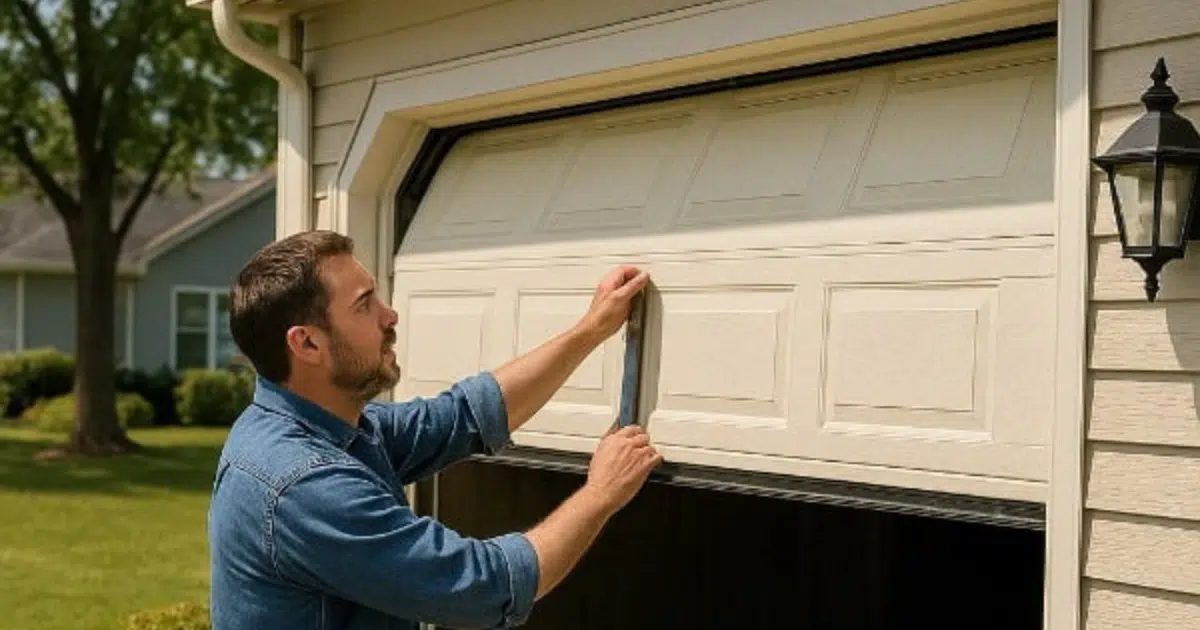
Some noise problems go beyond DIY. Knowing when to stop and call a professional keeps you safe and prevents making the problem worse. Here are the red flags that point to a noisy garage door repair that needs expert attention.
Loud Banging or Popping Sounds
- A sudden loud bang often points to a broken torsion or extension spring.
- Springs are under extreme tension and should never be adjusted or replaced without proper training and tools.
- If you hear a loud pop followed by the door becoming very heavy or unresponsive, stop using it immediately.
- Continuing to operate a door with a broken spring can damage the opener and create a safety risk.
- Call a garage door technician right away if you suspect a spring failure.
Grinding From the Opener Motor
- Grinding inside the opener unit usually means a stripped gear or worn drive component.
- This type of noise gets progressively worse if ignored.
- Older openers running on chain drives tend to develop this issue over time.
- A belt-drive or direct-drive opener upgrade can significantly reduce operational noise.
- A technician can tell you whether repair or replacement is the better value.
Squealing That Lubrication Does Not Fix
- If you have already lubricated the door and the squealing continues, the rollers or hinges may be beyond saving.
- Worn metal-on-metal contact creates a distinctive high-pitched sound that lubricant cannot mask.
- This is especially common in doors that are more than 10 years old.
- Replacement parts are usually affordable, but proper installation matters for long-term results.
- A professional inspection can identify exactly which components need replacing.
Following proper safety guidelines during any garage door maintenance is critical, and the Door and Access Systems Manufacturers Association offers garage door safety tips every homeowner should review before attempting any repairs.
If you are not sure when a noise crosses the line from routine wear into a real safety concern, When to Call a Pro for Garage Door Noise Problems gives you a clear breakdown of exactly when professional help is the right call.
Preventive Habits That Keep Your Garage Door Quiet
The best noisy garage door fix is the one you never need. A little routine care goes a long way in keeping your door quiet, smooth, and dependable.
Monthly Visual Checks
- Take a quick look at the rollers, tracks, and springs once a month.
- Look for rust, cracks, fraying cables, or any hardware that appears loose or out of place.
- Listen to the door as it opens and closes. Any new sound is worth investigating.
- Check the weatherstripping for gaps or tears that could let in drafts and debris.
- Early detection is always cheaper than emergency repair.
Seasonal Lubrication Schedule
- Plan to lubricate moving parts every spring and fall.
- Cold weather in Wake Forest can cause metal components to contract and become noisier.
- Keep a small can of garage door lubricant in your garage so it is always within reach.
- Wipe down the tracks with a clean cloth before each lubrication session to remove dust and grime.
- A clean, lubricated door is a quiet door.
Professional Tune-Up Once a Year
- An annual service visit from a qualified technician catches issues that homeowners typically miss.
- Technicians check spring tension, cable condition, opener force settings, and overall balance.
- This is especially valuable for doors that get heavy daily use.
- The cost of a tune-up is minor compared to the cost of an emergency repair.
- Think of it the same way you think about an annual HVAC checkup.
Garage door inspection and maintenance go a long way in catching problems before they turn into expensive repairs.
Understanding which parts are most likely to fail and create noise is just as important as knowing how to reduce garage door noise. If you want to go deeper into the hardware side of things, Garage Door Parts That Wear Out and Cause Loud Noises gives a thorough breakdown of what to inspect and when.
What Wake Forest Homeowners Should Know About Garage Door Noise
Living in Wake Forest, NC, means dealing with seasonal temperature swings that affect how your garage door performs. Hot, humid summers cause metal to expand, while cooler winters cause contraction. Both of these conditions contribute to increased noise if your door is not properly maintained.
Homes in active neighborhoods also deal with the added pressure of early morning and late-night operation. A noisy garage door is more than an inconvenience. It disturbs sleep, bothers neighbors, and can reduce the overall comfort of your home.
Ready to Finally Quiet That Noisy Garage Door?
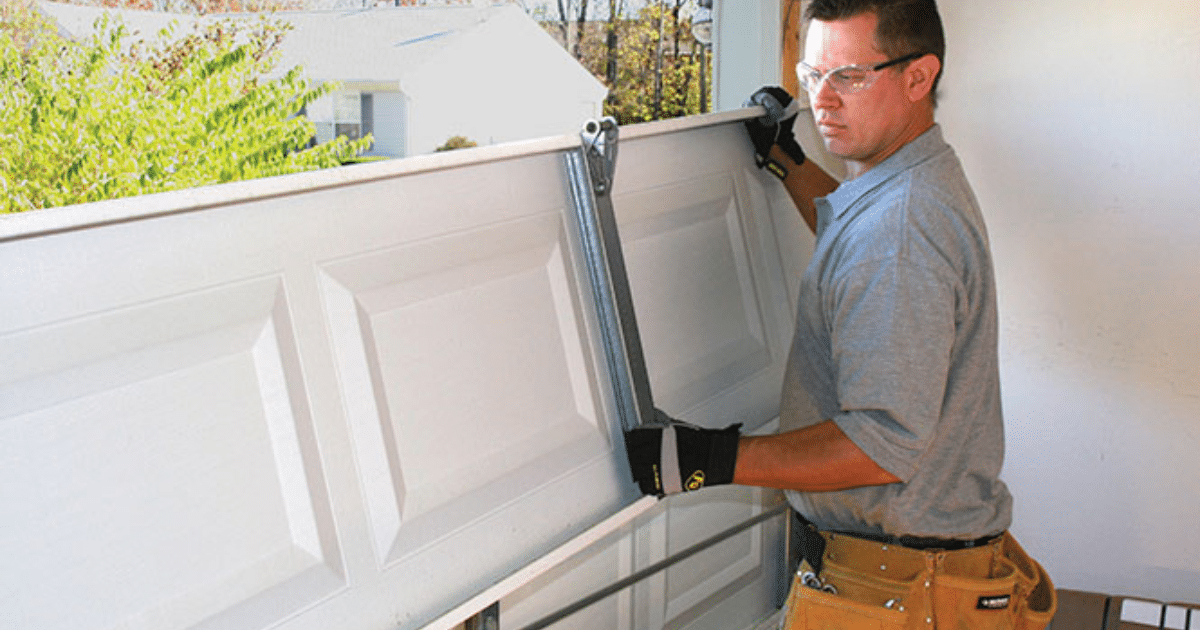
Living with a loud garage door is frustrating, but it does not have to stay that way. Most noise problems come down to worn parts, loose hardware, or a lack of routine maintenance. Starting with the basics like lubrication and tightening hardware can make a noticeable difference right away. For anything involving springs, cables, or the opener motor, bringing in a professional is always the smarter and safer choice.
When it is time to stop guessing and get a real solution, DoorJam Garage is here to help Wake Forest homeowners restore quiet and confidence to their garage. Whether you need a quick tune-up, a full noisy garage door repair, or just a professional opinion, our team is ready to take a look. Contact us today or give us a call to schedule your service visit.