
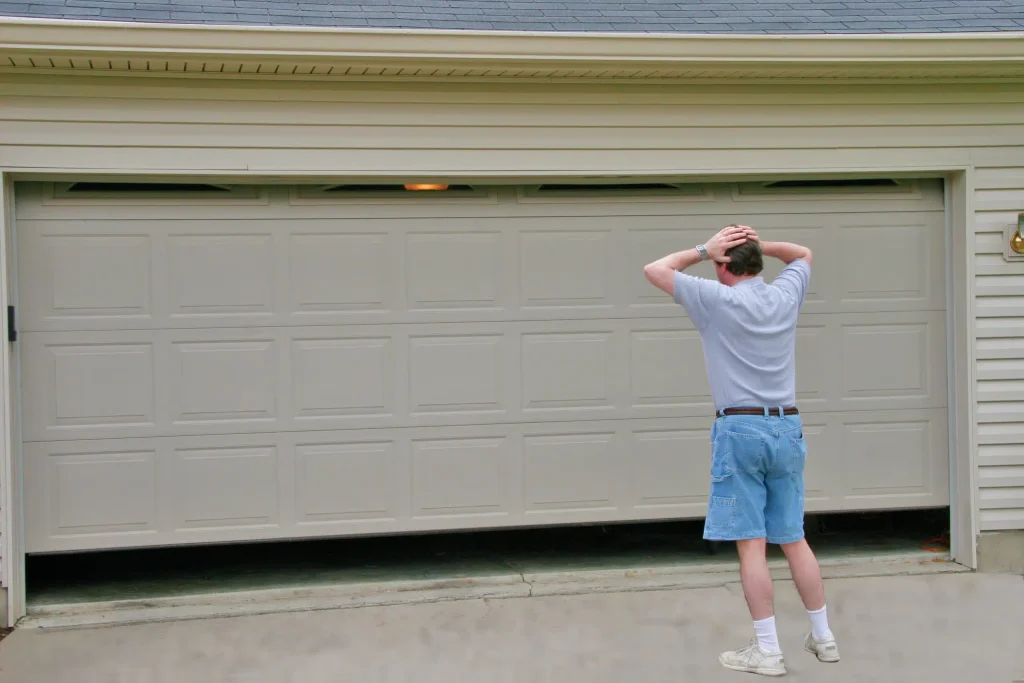
Most homeowners in Wake Forest, NC, treat a noisy garage door as a minor inconvenience, something to deal with eventually. But the longer it goes unaddressed, the more it chips away at your daily comfort, your relationships with neighbors, and even the value of your home.
Garage door noise is not just an annoying sound. It is a signal that something mechanical is off, and those mechanical problems tend to grow when ignored. Understanding the full impact of a loud garage door helps you see why addressing it sooner is always the better choice. Real garage door noise reduction starts with recognizing the full scope of what you are dealing with.
How Garage Door Noise Disrupts Daily Life at Home
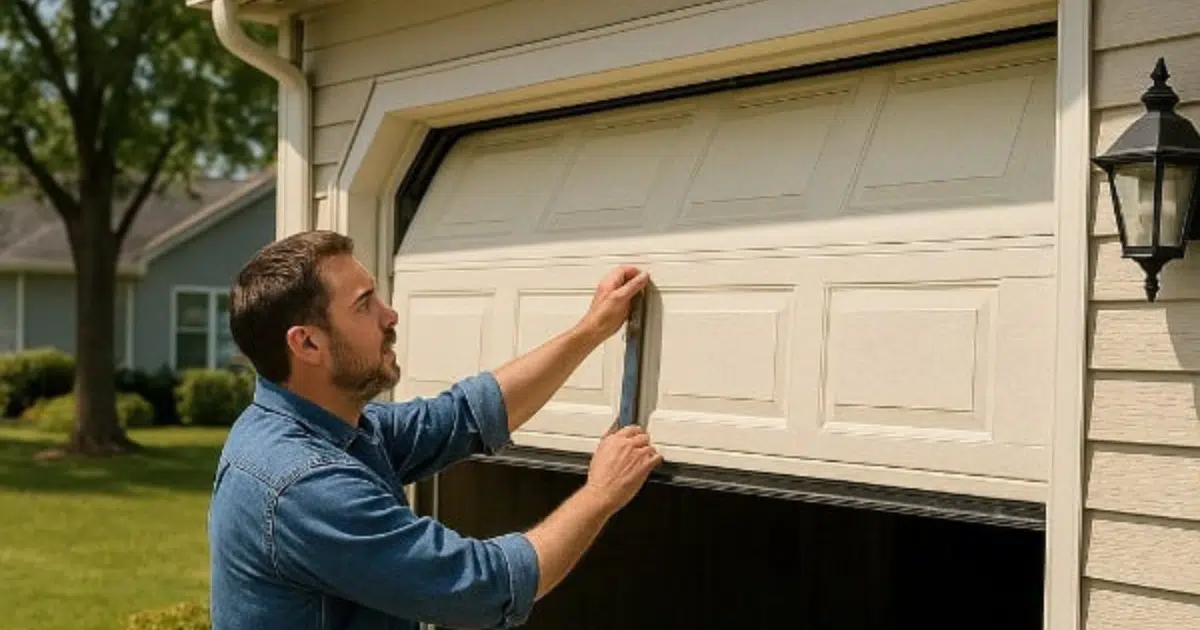
The effects of a loud garage door reach further into your daily routine than most people realize. It is not just the sound itself. It is what that sound interrupts, delays, and affects over time. Many of these disruptions persist until a proper garage door repair addresses the root cause and restores quiet to the home.
Disrupted Sleep for the Whole Household
- Early morning departures and late-night arrivals wake everyone up in the house when the door is loud.
- Bedrooms closest to the garage are especially vulnerable to vibration and sound transfer through shared walls.
- Sleep disruption affects focus, mood, and overall health when it happens consistently over weeks or months.
- Children and older adults are particularly sensitive to sudden loud sounds during sleep hours.
- A door that rattles and grinds at 6 a.m. is a real quality-of-life issue, not a minor inconvenience.
Increased Stress and Household Tension
- Constant mechanical noise in and around the home raises background stress levels without people even realizing it.
- Homeowners often report feeling on edge when they know a loud door operation is coming.
- The anticipation of noise, especially in attached garages, creates an ongoing low-level stressor.
- This is particularly noticeable in homes where remote work or studying happens near the garage.
- Addressing the noise removes a tension point that most families do not need.
Reduced Enjoyment of Your Own Home
- A home should feel like a retreat. Loud mechanical noise works against that.
- Noisy garage door operation becomes part of the background soundtrack of a home, and not in a good way.
- Guests notice it too, and it shapes first impressions of how well a home is maintained.
- Over time, homeowners tend to avoid using the garage as a workspace or extra living area because of the noise.
- Restoring quiet to that space opens it back up for storage, hobbies, and everyday function.
If you are already looking for practical ways to handle the problem, the tips in Garage Door Noise Reduction Tips for a Quieter Home cover what you can start doing right away.
The Effect on Your Neighbors and Community Relations
In neighborhoods like those found throughout Wake Forest, houses sit close together and shared sounds travel easily. A noisy garage door is rarely a private problem.
Early and Late Operation Times Are a Real Concern
- Many homeowners operate their garage doors before 7 a.m. or after 9 p.m.
- At those hours, mechanical grinding and banging carries clearly into neighboring homes.
- Even in communities without formal noise ordinances, repeated disturbances strain neighbor relationships.
- Neighbors who are woken up regularly are less likely to be cooperative during future concerns or disputes.
- A quiet door shows consideration for the people around you, which matters in tight-knit communities.
Vibration That Transfers Beyond Your Property
- Loud garage doors do not just produce airborne sound. They create vibration that moves through the structure of the home.
- That vibration can transfer through shared fences, driveways, and even ground contact to nearby homes.
- Attached townhomes and homes with shared walls experience this most significantly.
- Structural vibration over time can also loosen items on shelves or walls near the garage.
- Addressing the source of vibration protects your home and reduces unintended impact on neighbors.
Property Perception and Curb Appeal
- A garage door that sounds damaged or poorly maintained signals neglect to anyone nearby.
- Prospective buyers walking or driving through the neighborhood notice things like this.
- Noise from a malfunctioning door can create the impression of deferred maintenance even if the rest of the home is in perfect shape.
- In real estate, first impressions carry significant weight, and sound is part of that impression.
- A smooth, quiet door communicates that a home is well cared for.
How Noise Signals Deeper Mechanical Problems
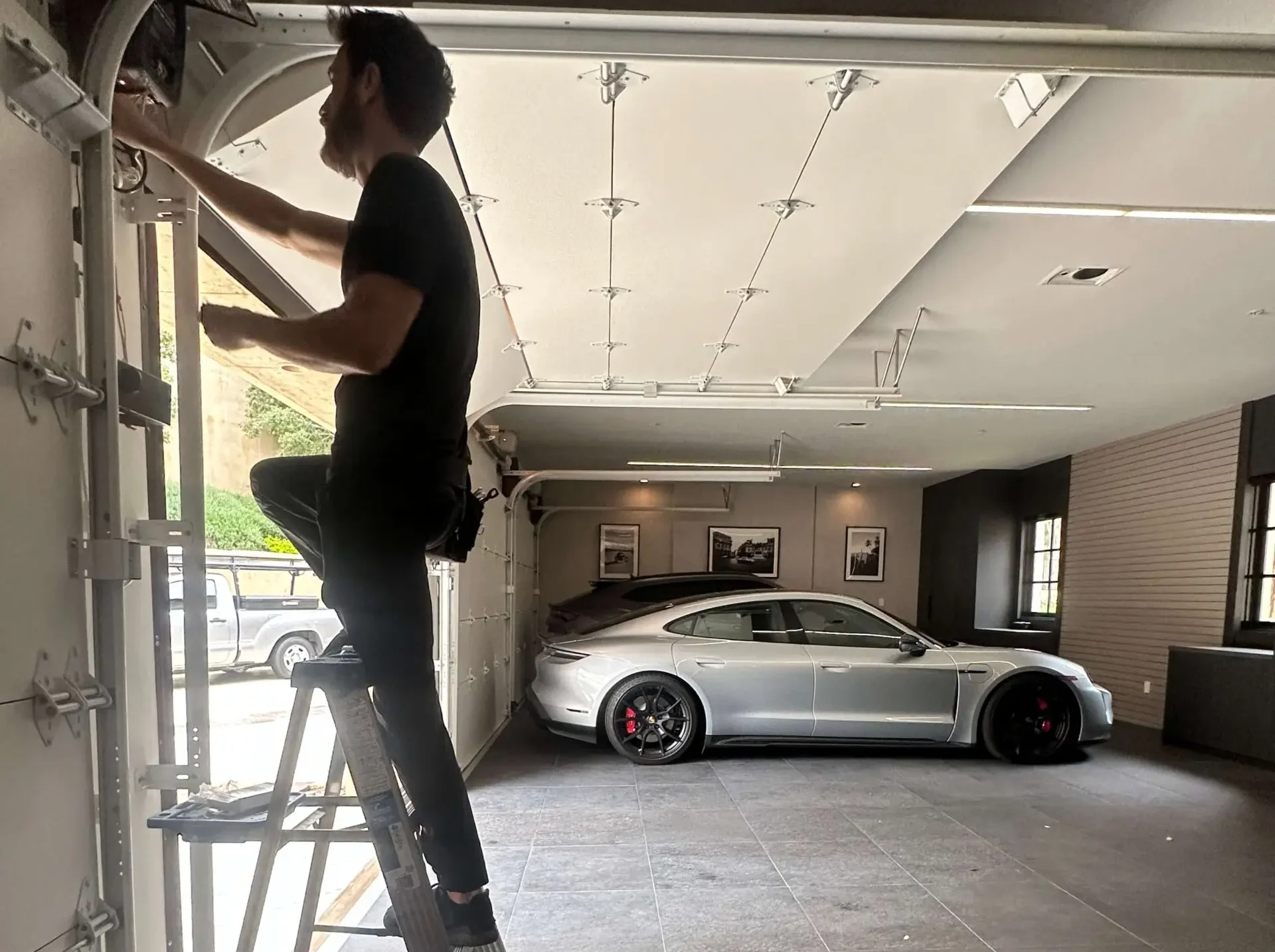
A loud garage door is rarely just loud. Most noises point to something mechanical that is wearing out or failing. Ignoring the sound often means ignoring a problem that will cost more to repair later.
Not all garage door issues are obvious at first, and this breakdown of common garage door problems can help you identify what might be causing the disruption in your home.
Grinding Sounds Point to Worn Components
- Grinding typically comes from metal-on-metal contact caused by worn rollers, dry hinges, or a failing opener gear.
- Each time the door operates with grinding parts, those components wear down further.
- What starts as a minor noise repair can become a full component replacement if left alone.
- The opener motor works harder when the door is not moving smoothly, shortening its lifespan.
- Addressing grinding sounds early is almost always the more cost-effective choice.
Rattling Indicates Loose or Failing Hardware
- Rattling during door movement points to loose bolts, worn brackets, or hardware that has shifted out of position.
- Loose hardware allows more movement in the door panels and track system than is safe.
- Over time, unchecked rattling can cause track misalignment, which creates even louder and more serious problems.
- In some cases, loose hardware can cause the door to come off track completely.
- A rattling door is asking for attention before something more significant fails.
Squealing Suggests Lack of Lubrication or Worn Rollers
- Squealing is one of the most common noisy garage door complaints and one of the most preventable.
- It typically means the rollers, hinges, or springs have not been lubricated recently or have worn past the point where lubrication helps.
- Steel rollers are especially prone to squealing as they age and lose their smooth rolling surface.
- Upgrading to nylon rollers during a noisy garage door repair visit eliminates this issue for most doors.
- A technician can quickly assess whether lubrication or replacement is the right call.
To understand exactly which components are most likely behind these sounds, Garage Door Parts That Wear Out and Cause Loud Noises gives a thorough breakdown of what wears down first and why.
What This Means for Your Home’s Value
In Wake Forest’s active real estate market, home condition carries real weight. A noisy, poorly maintained garage door is a detail buyers and inspectors notice.
Automatic garage door systems are built around strict safety and performance standards, and understanding automatic garage door standards can help homeowners know what level of noise and vibration is considered normal versus a sign of a problem.
Buyer Perception During Showings
- Real estate agents consistently report that garage doors are among the first things buyers evaluate.
- A door that operates loudly during a showing raises questions about the overall condition of the home.
- Buyers often use visible and audible maintenance issues to negotiate a lower price.
- Investing in garage door noise reduction before listing a home is a practical step that protects your asking price.
- It is one of the lower-cost improvements with a noticeable impact on buyer confidence.
Home Inspection Flags
- Home inspectors check garage door operation as part of a standard inspection.
- Noise, imbalance, and slow response times can all be flagged in the inspection report.
- Flagged items give buyers leverage to request repairs or price reductions before closing.
- Addressing known noise issues before an inspection removes one more item from the report.
- A clean inspection report simplifies the sale process and protects your timeline.
Long-Term Maintenance Costs
- A door that has been running loudly for years has likely experienced more wear than one that has been maintained.
- Deferred maintenance compounds over time, meaning the repair bill grows the longer the problem is ignored.
- Garage door noise reduction done early is an investment in avoiding higher costs down the road.
- Regular maintenance also extends the life of the garage door opener, springs, and other components significantly.
- Homeowners who stay ahead of maintenance spend less on emergency repairs overall.
If you are unsure whether your door needs a simple tune-up or full professional attention, When to Call a Pro for Garage Door Noise Problems helps you make that call with confidence.
Protecting Your Household Starts With Paying Attention
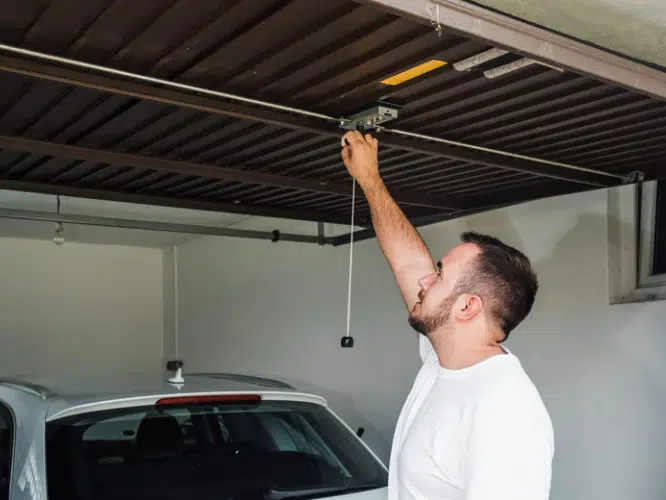
A noisy garage door is one of those problems that feels manageable right up until it is not. The sounds it makes are clues about what is wearing out, and the impact it has extends well beyond the garage itself. From sleep disruption to neighbor friction to reduced home value, the cost of ignoring it adds up in ways that are not always obvious at first.
DoorJam Garage has been helping Wake Forest, NC, homeowners tackle noisy garage door problems with reliable, professional service they can count on. Whether your door is rattling the walls at 6 a.m. or grinding loud enough to wake the neighbors, our team knows exactly what to look for and how to get it quiet again. Contact us today or give us a call to schedule your service visit and take the first step toward a smoother, quieter home.