
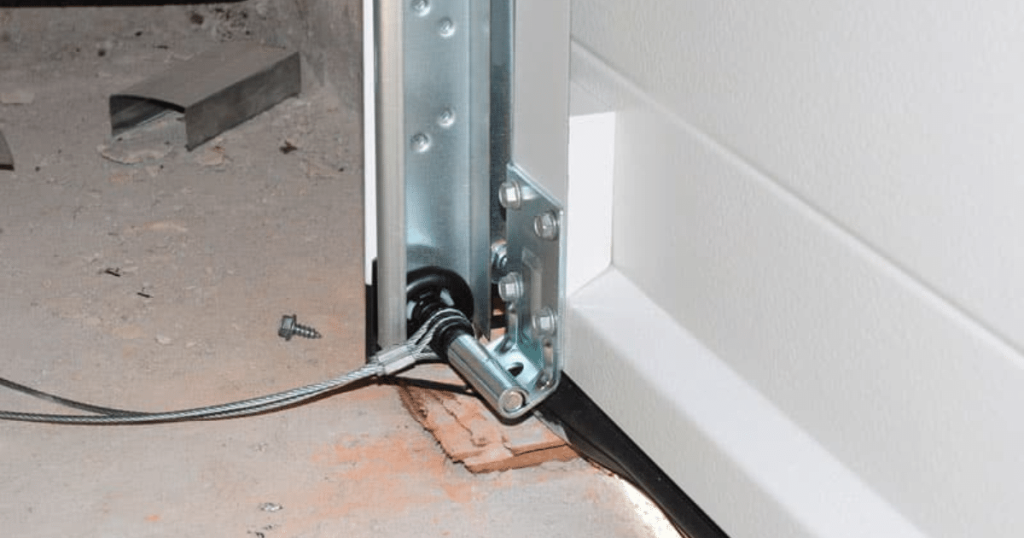
Your garage door opens and closes hundreds of times every year, yet most homeowners rarely think about the rollers that keep everything moving smoothly. These small but essential parts handle constant weight and motion, making regular garage door roller replacement important for both safety and performance.
If you live in Wake Forest, NC, where temperature swings and humidity can speed up wear, knowing when to replace your rollers is not just about convenience. It is about keeping your home safe and your garage door working the way it should.
This guide walks you through everything you need to know: how long rollers typically last, what warning signs to watch for, and how to stay ahead of costly repairs.
What Are Garage Door Rollers and What Do They Do?
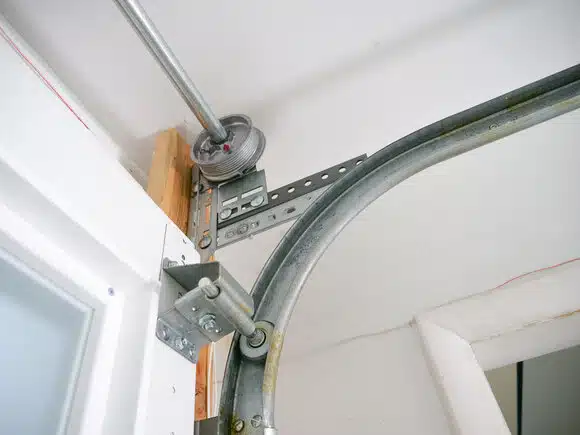
Garage door rollers are the small wheel-like components that sit inside the tracks on either side of your garage door. Every time the door moves up or down, the rollers guide it smoothly along those tracks. Without them, the door would grind, shake, or stop working altogether.
Most residential garage doors use between 10 and 12 rollers, depending on the door size and panel count. They come in a few different materials, and the type you have plays a big role in how long they last.
Here is a quick breakdown of the most common roller types:
- Steel rollers are the most basic option. They are affordable but tend to be noisy and wear out faster, usually within 5 to 7 years with regular use.
- Nylon rollers are quieter, smoother, and more durable. A quality set can last 10 to 15 years or longer with proper care.
- Nylon rollers with sealed bearings are the premium choice. The sealed design keeps out dirt and moisture, which is a real advantage in areas with humidity like Wake Forest.
Knowing what type of rollers you have helps you plan maintenance, avoid unexpected breakdowns, and reduce the risk of major garage door repair costs later on.
If your garage door rollers keep breaking down, read our detailed guide on Why Your Garage Door Rollers Keep Breaking Down So Often.
How Long Do Garage Door Rollers Typically Last?
There is no single answer that applies to every home. Roller lifespan depends on the material, how often the door is used, how well it has been maintained, and the environment around your home.
That said, here are general guidelines most garage door professionals go by:
- Steel rollers: 5 to 7 years under average use
- Standard nylon rollers: 10 to 12 years with routine lubrication
- Nylon rollers with sealed bearings: 12 to 15 years or more
A garage door used four to six times per day will wear rollers faster than one used twice a day. If multiple vehicles come and go from the same garage, that adds up quickly over the years.
It is also worth noting that understanding why garage door rollers break down so often can help you extend the life of your current set. Factors like lack of lubrication, track misalignment, and improper installation all cut roller life short.
Warning Signs Your Garage Door Rollers Need to Be Replaced
Waiting until a roller completely fails is one of the most common mistakes homeowners make. By the time it breaks, the door may have already caused damage to the tracks, the panels, or the opener itself.
Here are the most reliable signs that your rollers are reaching the end of their useful life:
- Grinding or squeaking sounds during operation, especially if lubrication has not resolved the noise
- Visible cracks, chips, or flat spots on the roller wheels when you inspect them up close
- The door shakes or vibrates more than usual when opening or closing
- The door moves unevenly, or one side appears to lag behind the other
- Rollers have come partially out of the track or look tilted at an angle
Any one of these signs on its own is worth a closer look. If you are noticing two or more at the same time, replacement is likely overdue.
One thing to keep in mind: worn rollers do not just cause noise and inconvenience. They can create serious safety risks. Learn more about how worn rollers affect your home’s safety in our dedicated guide on How Bad Garage Door Rollers Affect Your Home’s Safety.
How Often Should You Inspect Your Rollers?
Replacement and inspection are two different things. Even if your rollers are not due for replacement, regular inspection is what catches problems early and saves you from bigger repair bills later.
As a general rule, inspect your garage door rollers at least twice a year. Many professionals recommend doing it in the spring and fall when seasonal temperature shifts in Wake Forest tend to affect how hardware performs. A quick visual check takes less than five minutes and can tell you a lot.
According to the DASMA safety guidelines, homeowners should test and visually inspect their garage door system, including rollers and hardware, on a monthly basis. While most homeowners will not inspect every month, committing to at least a biannual check is a reasonable and effective habit.
Here is what to look for during each inspection:
- Check for visible wear on the roller wheel itself, including cracks, chips, or signs of flattening
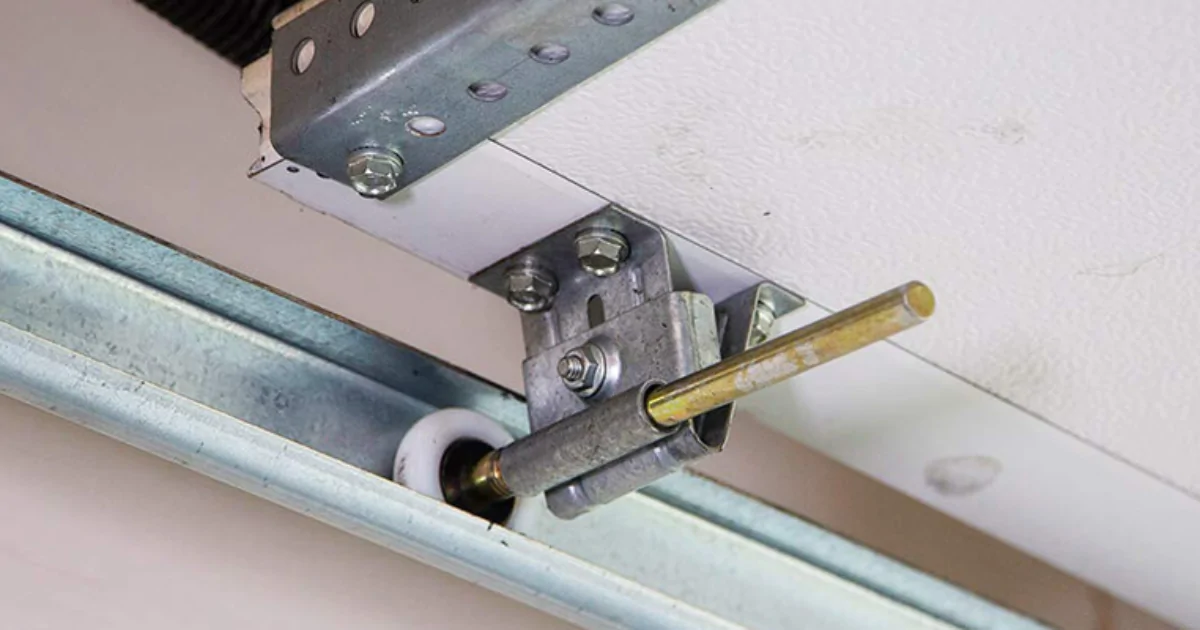
- Look at the roller stem where it connects to the bracket and check for rust or wobbling
- Observe the door in motion and listen for any new sounds that were not there before
- Check track alignment to make sure rollers are sitting correctly inside the channel
If anything looks off during your inspection, do not wait. Catching a worn roller early often means a straightforward swap rather than a full track repair.
The Role of Lubrication in Extending Roller Life
Proper lubrication is one of the simplest and most effective ways to extend the life of your garage door rollers. Dry rollers create friction, and friction creates heat and wear. Over time, that wears down both the roller and the track.
Use a silicone-based or lithium-based lubricant designed for garage doors. Avoid WD-40 as a long-term solution. It is a cleaner and water displacer, not a true lubricant for metal hardware.
Apply lubricant to your rollers every six months or any time you notice the door becoming noisier than usual. For nylon rollers with sealed bearings, lubrication is less critical because the bearings are protected. But the stem and bracket area still benefit from an occasional application.
Following a regular garage door maintenance checklist keeps lubrication on your schedule rather than something you remember only when the door starts squeaking.
How to Know If You Need a Full Replacement or Just a Single Roller Swap
Not every roller problem means replacing all of them at once. But in many cases, it makes sense to do a full set replacement rather than swapping one at a time.
Here is a simple way to think about it:
- Replace one roller if it is clearly damaged, and the rest of the set is relatively new and in good condition. In this case, a targeted garage roller repair is usually enough to restore smooth operation
- Replace the full set if your rollers are more than 7 to 10 years old, because the others are likely not far behind
- Replace the full set if you are already having a technician work on the door for another reason, since the labor cost is already there
Partial replacements can create inconsistency in how the door travels along the track. Mixing old and new rollers of slightly different sizes or wear levels can cause uneven movement, which puts stress on other components.
Tips to Avoid Premature Roller Wear
Prevention is always less expensive than repair. A few simple habits can add years to the life of your garage door rollers and keep your door operating smoothly between professional visits.
- Lubricate rollers every six months using a product made for garage door hardware
- Keep the tracks clean by wiping out dirt, debris, and buildup that can cause rollers to grind
- Do not force the door if it feels stiff or is moving unevenly. Stop using it and have it inspected
- Schedule a professional tune-up at least once a year to catch issues that are not visible to the untrained eye
- Check the balance of the door by disconnecting the opener and lifting it manually halfway. If it stays in place, the balance is good. If it drops or shoots up, there is a tension issue that adds stress to every component including the rollers
When DIY Ends and Professional Help Begins
Some homeowners are comfortable doing basic maintenance tasks like cleaning tracks and applying lubricant. That is perfectly fine and encouraged. But certain roller-related issues require the trained hands of a professional.
You should stop the DIY approach and call a technician when:
- The door has completely stopped moving or is stuck in the tracks
- A roller has come fully out of the track, and the door is off its path
- You notice the issue involves the spring system, which is under high tension and dangerous to handle without proper tools and training
- The damage is not limited to the rollers and appears to include the tracks, brackets, or panels
Knowing when to call a professional for garage door roller repair is just as important as knowing when to handle things yourself. Our guide on When to Call a Professional for Garage Door Roller Repair breaks down exactly what warrants an expert visit and what you can reasonably handle on your own.
Keep Your Garage Door Running Safely All Year Long
Garage door rollers are easy to overlook until they cause a real problem. But with a consistent inspection schedule, the right lubricant, and an awareness of the warning signs, most homeowners can avoid the inconvenience and cost of emergency repairs. The general rule of thumb is this: inspect twice a year, lubricate every six months, and replace the full set anywhere between 7 and 15 years depending on the roller type and how heavily the door is used. If something sounds off or looks wrong, trust that instinct and have it checked.
If you are in the Wake Forest, NC area and your garage door rollers are showing signs of wear, do not wait for the problem to get worse. DoorJam Garage is ready to help with honest assessments, quality parts, and service you can count on. Contact us today or give us a call to schedule an inspection and keep your garage door running the way it should.