
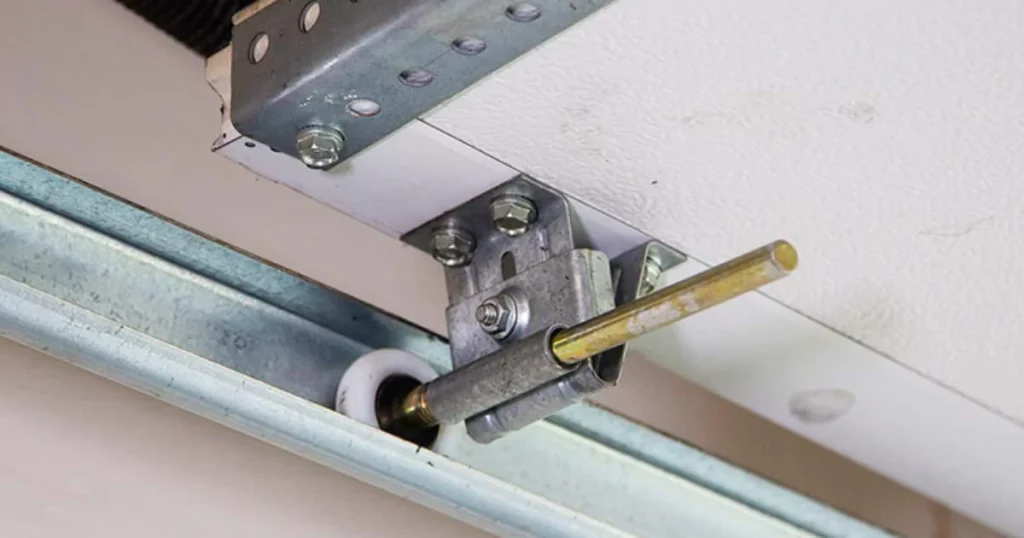
If your garage door rollers keep failing shortly after replacement, the issue is usually deeper than normal wear and tear. Many homeowners in Wake Forest, NC, experience repeated problems because the root cause was never properly fixed. Poor track alignment, lack of lubrication, damaged hinges, or excessive strain from an unbalanced garage door can all shorten roller lifespan.
Low-quality rollers are another common reason that frequent garage door roller replacement becomes necessary. Cheaper plastic rollers wear down quickly, especially in humid climates where moisture and temperature changes put added stress on moving parts. Dirt buildup and neglected maintenance can also cause rollers to stick, crack, or come off track over time.
Ignoring these warning signs may lead to louder operation, uneven movement, and additional damage to the opener or tracks. A professional inspection and timely garage door roller replacement can help identify hidden issues, improve performance, and prevent ongoing breakdowns.
The Wrong Roller Type Was Installed
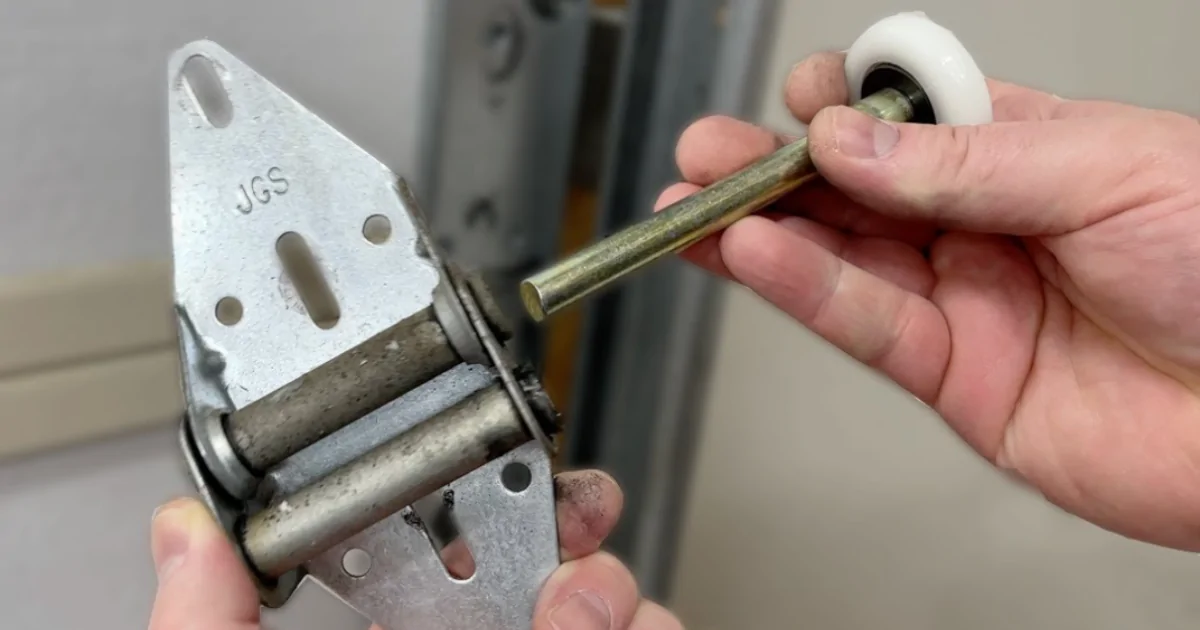
One of the most overlooked reasons for repeated roller failure is using the wrong roller for the door. Not all rollers are built for the same conditions, and installing a basic steel roller on a heavy or high-use door is a setup for frequent breakdowns.
Here is why roller type matters:
- Steel rollers are entry-level components. They work for light-use doors but wear down quickly under daily stress, especially on heavier two-car garage doors.
- Standard nylon rollers handle daily use much better and run quieter, but they still have limits on heavier doors or extreme climates.
- Nylon rollers with sealed bearings are the most durable option for residential use. They resist moisture and debris, making them a better long-term fit for homes in humid areas like Wake Forest.
Knowing what type you have helps you set realistic expectations for how long they will last and when replacement or garage door repair becomes necessary.
For guidance on what situations require a professional, our guide on When to Call a Professional for Garage Door Roller Repair covers exactly when DIY ends, and expert help becomes necessary.
Lack of Regular Lubrication
Dry rollers are damaged rollers. When there is not enough lubrication between the roller wheel and the track, friction builds up with every cycle. Over time, that friction grinds down the roller material, overheats the bearings, and accelerates wear in ways that cannot be undone.
This is one of the most preventable causes of repeat roller failure, yet it is also one of the most commonly ignored.
A few things to keep in mind about lubrication:
- Use the right product. A silicone-based or lithium-based lubricant designed for garage door hardware works best. Avoid general-purpose sprays that are not formulated for this type of metal-on-metal contact.
- Apply it consistently. Every six months is a reasonable schedule for most homeowners. If your door is used heavily, a quarterly application may be more appropriate.
- Do not overlook the stem and bracket. The roller wheel gets most of the attention, but the stem where the roller connects to the hinge bracket also needs lubrication to prevent stiffness and premature wear.
Skipping lubrication even once or twice in a row can noticeably shorten the lifespan of a roller set that might otherwise last a decade or more.
Track Misalignment Putting Stress on the Rollers
When the tracks that guide your garage door are even slightly out of alignment, the rollers pay the price. Instead of rolling smoothly along a straight path, they are forced to navigate a bent or uneven channel. That constant pressure and irregular contact wears them down unevenly and far too quickly.
Track misalignment can happen gradually over time or suddenly after an impact, such as a vehicle bumping into the door frame or a heavy object hitting the track.
Signs that misaligned tracks may be causing your roller problems include:
- The door scrapes or rubs against the track during operation
- You can visibly see a gap between the roller and the track on one side
- The door moves faster on one side than the other
- Rollers show uneven wear patterns when you inspect them up close
Track alignment is not something most homeowners should try to adjust themselves, especially on the vertical sections near the bottom of the door. Even small adjustments can affect the tension balance of the entire system and often require professional garage door roller repair to ensure safe, proper operation.
Worn or Damaged Hinges Transferring Stress to Rollers
Rollers and hinges work together as a team. When a hinge becomes worn, bent, or cracked, it changes how force is distributed across the door panels. That imbalance does not stay contained to the hinge. It shifts directly onto the adjacent rollers, which then absorb stress they were never designed to handle.
This is a common cause of repeat failures that often gets missed because the roller gets replaced while the damaged hinge stays in place. The new roller then breaks down faster than expected for the same reason.
According to experts who study common garage door problems homeowners face, hinge and roller issues are closely connected and often need to be addressed together rather than in isolation.
Bottom Bracket and Cable Tension Issues
The bottom bracket sits at the lowest corner of the garage door and connects the door panels to the lift cable. When the cable tension is off or the bracket is bent, it creates an uneven pull on the door every single time it opens or closes. That uneven motion puts the bottom rollers under disproportionate stress.
Bottom bracket and cable issues are also among the most dangerous to handle. The cables in a garage door system are under significant tension and can cause serious injury if they snap or are released improperly.
If your bottom rollers keep failing repeatedly while the rest of the set holds up, this is one of the first areas a professional should inspect. It is a strong indicator that the load distribution at the bottom of the door is not right.
Low-Quality Replacement Parts
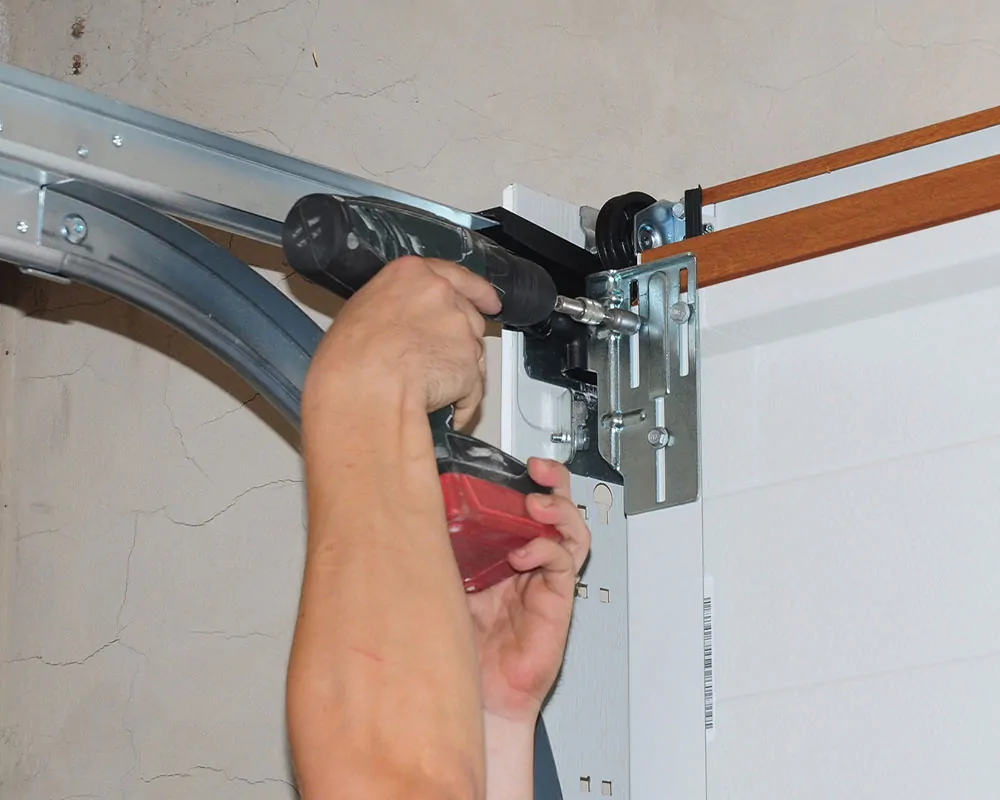
Not all rollers are made equally, and budget parts from unverified sources tend to fail faster. When a low-quality roller is installed, it may look identical to a proper replacement but lack the material strength, bearing quality, or dimensional accuracy needed to perform reliably.
This is especially common when homeowners source parts independently or when a repair company cuts costs on components.
Here is what separates quality rollers from subpar ones:
- Bearing quality determines how smoothly the wheel spins and how long it holds up under load
- Material grade affects how well the roller resists cracking, chipping, and flat spots over time
- Dimensional precision ensures the roller fits the track correctly without wobbling or binding
Asking your technician about the brand and grade of replacement rollers before the job starts is a reasonable and smart question. Quality parts cost a little more upfront but last significantly longer.
High-Frequency Use Without Proportional Maintenance
Some garage doors are used far more than the average household. A home with multiple drivers, a business operating from the garage, or a door that doubles as the main entry point can easily cycle the door eight to twelve times per day or more. At that rate, wear accumulates much faster than it would for a typical two-cycle-per-day household.
High-frequency use is not a problem by itself. The problem is when maintenance frequency does not keep pace with usage.
If your door sees heavy daily use, consider:
- Lubricating rollers every three to four months instead of every six
- Scheduling a professional inspection annually rather than every two years
- Upgrading to premium sealed-bearing nylon rollers that are rated for higher cycle counts
Understanding how often replacement becomes necessary based on your specific usage level is covered in detail in our guide on How Often Should Garage Door Rollers Be Replaced?, which walks through lifespan expectations by roller type and usage pattern.
What You Can Do Right Now to Stop the Cycle
Repeated roller failures are frustrating, but they are almost always preventable once you know what is driving them. A few consistent habits go a long way toward stopping the pattern before it starts again.
- Schedule a full inspection after every roller replacement, not just a quick swap. Ask the technician to check hinges, tracks, brackets, and cable tension at the same time.
- Set a lubrication reminder every six months so it never gets skipped between service visits.
- Upgrade your roller type if you are still running steel rollers on a heavy or high-use door. The difference in lifespan is significant.
- Do not ignore early warning signs like new sounds, slight vibration, or uneven movement. These are the door telling you something is off before it becomes a bigger problem.
The Wake Forest, NC climate adds an extra layer of wear that homeowners in milder regions may not face. Humidity and temperature swings affect metal hardware year-round, so staying on top of maintenance here matters more than in drier climates.
Understanding the safety implications of worn rollers is just as important as understanding the causes. Read our guide on How Bad Garage Door Rollers Affect Your Home’s Safety to see how neglected rollers can put your household at risk beyond just inconvenience.
Stop the Repeat Repairs and Get It Right This Time
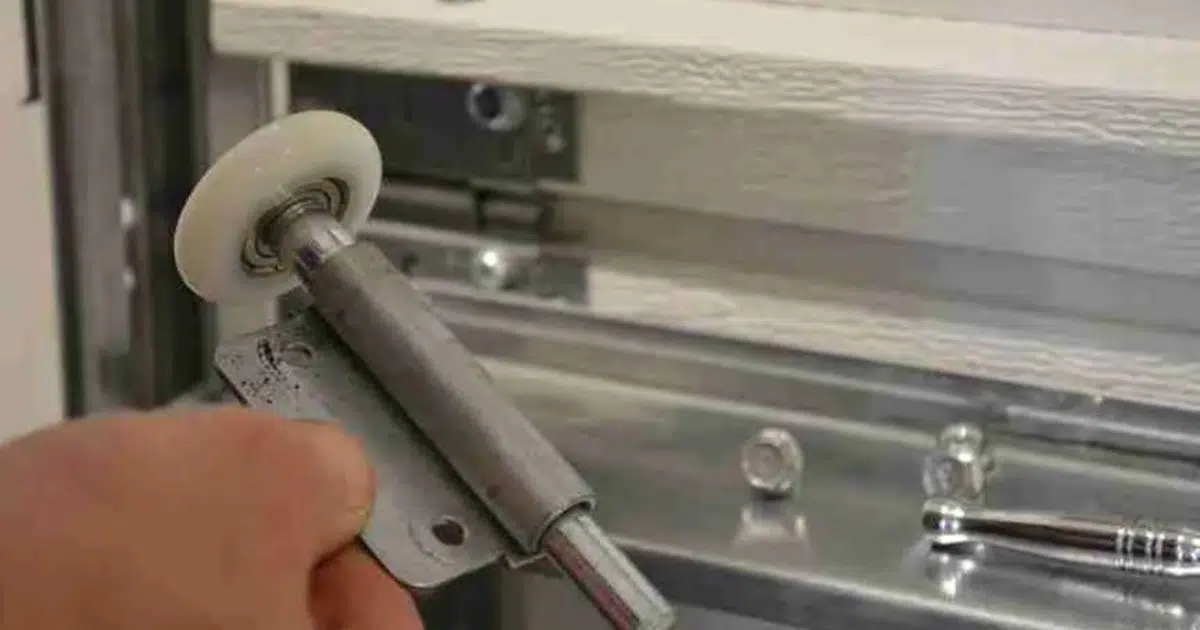
Roller failures that keep coming back are a sign that something deeper has not been addressed. Whether it is the wrong roller type, a lack of lubrication, misaligned tracks, or worn-out hardware nearby, every repeat breakdown has a reason behind it. The good news is that most of these causes are fixable with the right inspection and the right parts. You do not have to keep dealing with the same problem over and over.
If your garage door rollers in Wake Forest, NC have failed more than once and you are ready for a real solution, DoorJam Garage is here to help. Our team will inspect the full system, identify what is actually causing the repeat failures, and get your door running reliably again. Contact us today or give us a call to schedule your service visit.