
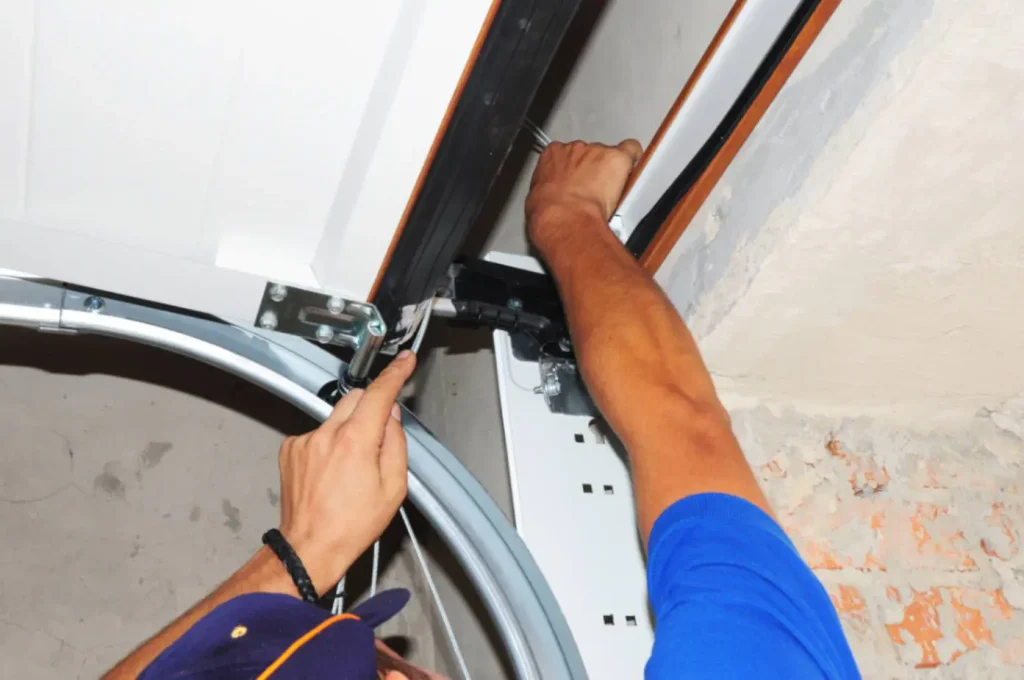
There is a certain satisfaction in handling home repairs yourself. Tightening a bolt, applying lubricant, wiping down the tracks. These are reasonable tasks most homeowners can manage safely with basic tools and a bit of care. But garage door roller repair is not always a straightforward job, and knowing exactly where the line sits between a safe DIY task and a job that needs a trained professional could save you from a serious and costly mistake.
If your garage door rollers are cracked, off track, making loud grinding noises, or causing uneven door movement, it is time to consider professional garage door roller replacement or repair. Problems involving springs, cables, or bent tracks should always be handled by trained technicians, since these components support the full weight of the door and can become dangerous when damaged.
When the Door Has Come Off Its Track
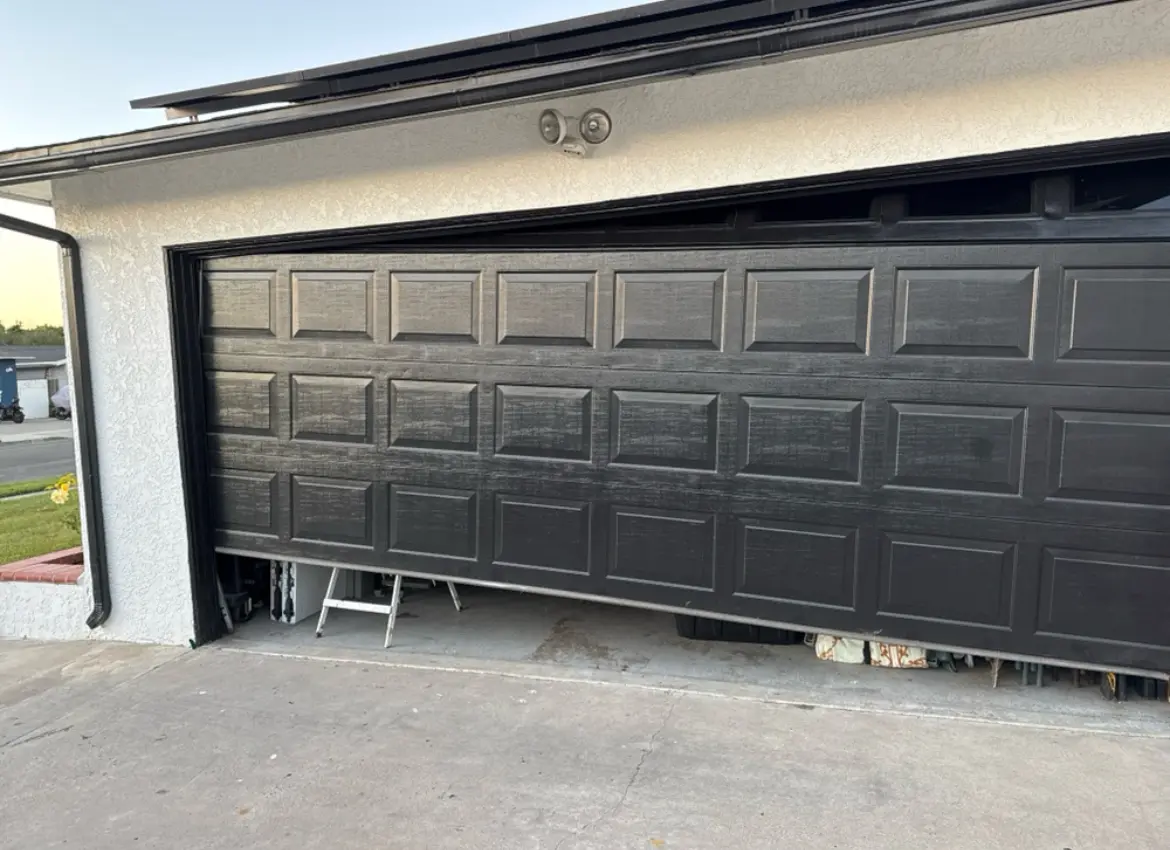
A garage door that has fully or partially come off its track is not a DIY situation under any circumstances. It may look like a simple realignment job, but getting a heavy door back onto its track safely requires an understanding of the full tension system and the right tools to do it without releasing stored spring energy in an uncontrolled way.
Attempting to force a door back into its track without proper knowledge can cause the following:
- Additional roller and track damage that turns a repair into a full replacement
- Sudden release of cable tension can cause the door to drop or swing unpredictably
- Personal injury from the door shifting during the attempt
If your door has come off the track, stop using it immediately and do not try to push or pull it back into position. This is one of the clearest signs that professional garage door repair is needed right away.
For a deeper look at what causes rollers to fail repeatedly even after maintenance, our guide on Why Your Garage Door Rollers Keep Breaking Down So Often covers the root causes and how to address them properly the first time.
When the Repair Involves the Bottom Bracket or Lift Cable
The bottom bracket sits at the lower corner of the door and is one of the highest-risk areas to work on in any garage door system. Here is why this area of the door demands professional attention:
- The bottom bracket connects directly to the lift cable, which runs up through the system and ties into the spring mechanism that counterbalances the full weight of the door. This entire assembly stays under high tension even when the door is fully closed.
- Bottom rollers sit right next to this bracket. Replacing them requires carefully managing the cable and bracket system to avoid accidentally releasing that stored tension during the repair.
- This is not a job for DIY, even for experienced homeowners. The risks involved with this specific area of the door go beyond general repair skills. A certified garage door technician has the tools and training to handle it safely.
Understanding how damaged components in this area affect your home goes beyond just the repair itself. Our guide on How Bad Garage Door Rollers Affect Your Home’s Safety explains the full safety picture when lower door hardware is compromised.
When You Hear or Suspect a Spring Issue Alongside the Roller Problem
When roller wear goes unaddressed, it rarely stays an isolated problem. Here is how it pulls the spring system into the breakdown:
- Torsion and extension springs counterbalance the full weight of the door.
- That repeated extra strain accelerates spring wear.
- A broken spring is one of the most dangerous repairs a homeowner can face.
A broken spring is never a wait-and-see situation. Knowing what happens when a garage door spring breaks makes it clear why this is one repair that should never be delayed or handled without the right training and tools.
When Multiple Components Are Failing at the Same Time
A roller failure that looks like a single problem is often a signal that the broader system has been wearing down for some time. Here is what that pattern usually looks like:
- When rollers, hinges, and brackets all show significant wear at the same time, the entire door mechanism needs a professional evaluation, not just a targeted single-part repair.
- Replacing only one failing component when several are compromised can make the problem worse. A new roller installed alongside damaged hinges or a bent track will break down again quickly for the same reason the last one did.
- The underlying conditions driving the failure need to be resolved, not just the part that gave out first. A full system inspection is the only way to know what is actually causing the breakdown.
Following professional garage door care and maintenance guidelines from certified industry sources makes it clear that multi-component wear requires a full system inspection, not just a part swap. A professional can assess the full picture and recommend whether targeted repairs or a more comprehensive service is the right path forward.
When the Door Is Behaving Erratically or Reversing on Its Own
Erratic door behavior is rarely just an opener glitch. When rollers are worn, the problem often runs deeper than the remote or sensors. Here is what is usually happening:
- Worn rollers disrupt the smooth travel path the door needs to operate correctly.
- Prolonged roller-related resistance can also damage the opener motor itself.
- If your door is reversing unexpectedly, stopping mid-cycle, or responding inconsistently to the remote, stop using it.
When Visible Track Damage Is Present
Tracks that are bent, dented, or pulled away from the wall cannot be safely corrected with home tools alone. The tracks must be precisely aligned for the rollers to travel correctly, and even a small deviation from that alignment affects how the door moves and how long the rollers last.
Track damage is sometimes caused by an impact, such as a vehicle clipping the frame or a heavy object falling against the door. Other times, it develops gradually as fasteners loosen over the years of use. Either way, straightening or replacing a track is not a DIY-friendly task because it affects the geometry of the entire door system.
Signs that track damage may be involved alongside your roller issue include:
- A visible bend or dent in the vertical or horizontal track section
- The track has pulled away from the wall mounting on one side
- Rollers grind or stick at a specific point in the door’s travel every time
Any of these signs alongside roller wear means a professional should evaluate the full track system before any parts are replaced to ensure proper garage door roller repair and safe operation.
When Your Garage Door Is Older Than Ten Years and Has Never Been Serviced
A garage door that has never been professionally inspected is not just overdue for maintenance. It carries risks that most homeowners cannot see on their own. Here is what that situation actually means:
- Every major component has a service life.
- Calling a professional in this case goes beyond roller repair.
- An older, never-serviced door needs a full evaluation, not just a part swap.
This connects directly to understanding how often replacement is actually needed. Our guide on How Often Should Garage Door Rollers Be Replaced? walks through lifespan expectations by roller type and gives homeowners a practical framework for knowing where their door stands.
What You Can Reasonably Handle Yourself
To give a complete picture, there are a few basic maintenance tasks that most homeowners can safely manage without a technician:
- Applying lubricant to rollers, hinges, and tracks using a silicone or lithium-based product
- Wiping out the tracks with a clean cloth to remove dirt, dust, and debris
- Visually inspecting rollers from a safe distance while the door is closed to check for obvious cracks or wear
- Testing the auto-reverse feature by placing a flat board under the door and triggering it to close
These tasks are low-risk, do not involve the tension system, and are genuinely useful for extending the life of your door hardware between professional visits. Anything beyond this list, particularly anything that involves disconnecting cables, adjusting spring tension, or removing bottom brackets, should be left to a trained technician.
When in Doubt, the Right Call Is a Professional One
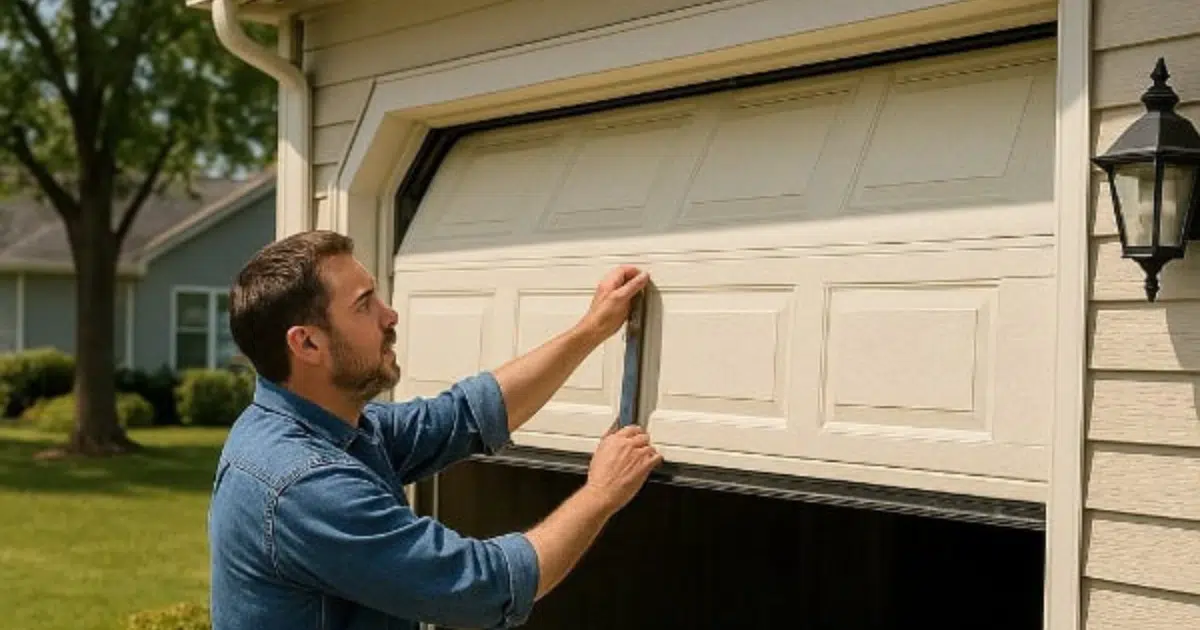
Garage door repair sits in a category where the cost of getting it wrong is much higher than the cost of getting it right. The combination of heavy panels, high-tension springs, and mechanical systems that operate every single day creates real consequences when something fails unexpectedly. Doors coming off their tracks, spring involvement, and multi-component wear are not edge cases. They are the most common scenarios where well-intentioned DIY attempts end up creating bigger problems than they started with.
DoorJam Garage has the experience and tools to assess your full system, handle repairs safely, and give you an honest recommendation based on what your door actually needs. Contact us today or give us a call and let us take care of it the right way.