
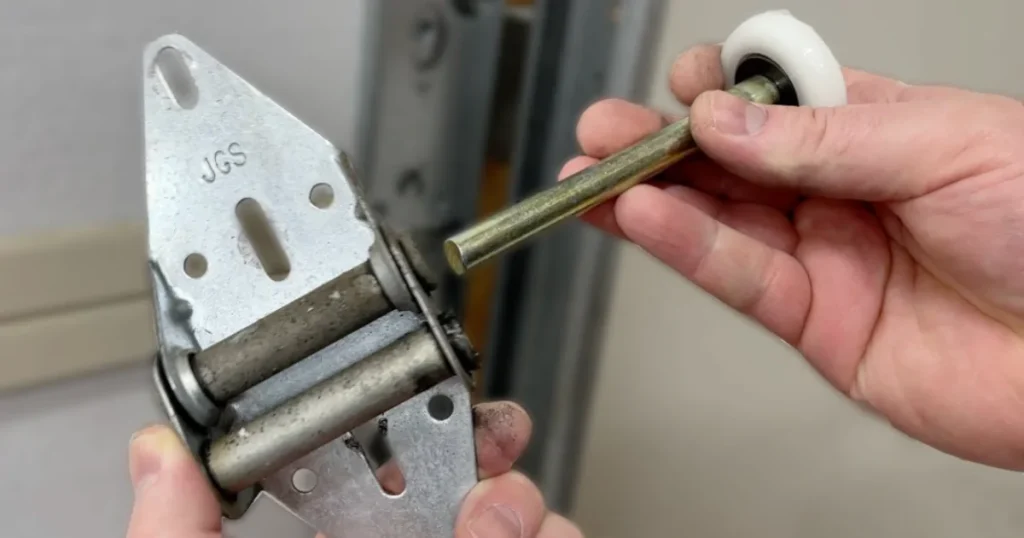
Most homeowners think of a malfunctioning garage door as an inconvenience. A little noise, some rough movement, maybe a door that takes longer to open than it used to. What many do not realize is that worn or damaged garage door rollers are not just a mechanical nuisance. They are a genuine safety hazard.
In Wake Forest, NC, humidity and changing temperatures can speed up roller wear, increasing the need for timely garage door roller replacement. When rollers become cracked, bent, or worn down, the garage door may suddenly slip off track, close unevenly, or place extra strain on the opener and springs. This can lead to costly damage or even accidents involving vehicles, property, or people nearby.
If you are a homeowner in Wake Forest, NC, where year-round humidity and seasonal temperature changes accelerate hardware wear, understanding these safety risks is not optional. It is essential.
A Door That Can Come Off Its Track Without Warning
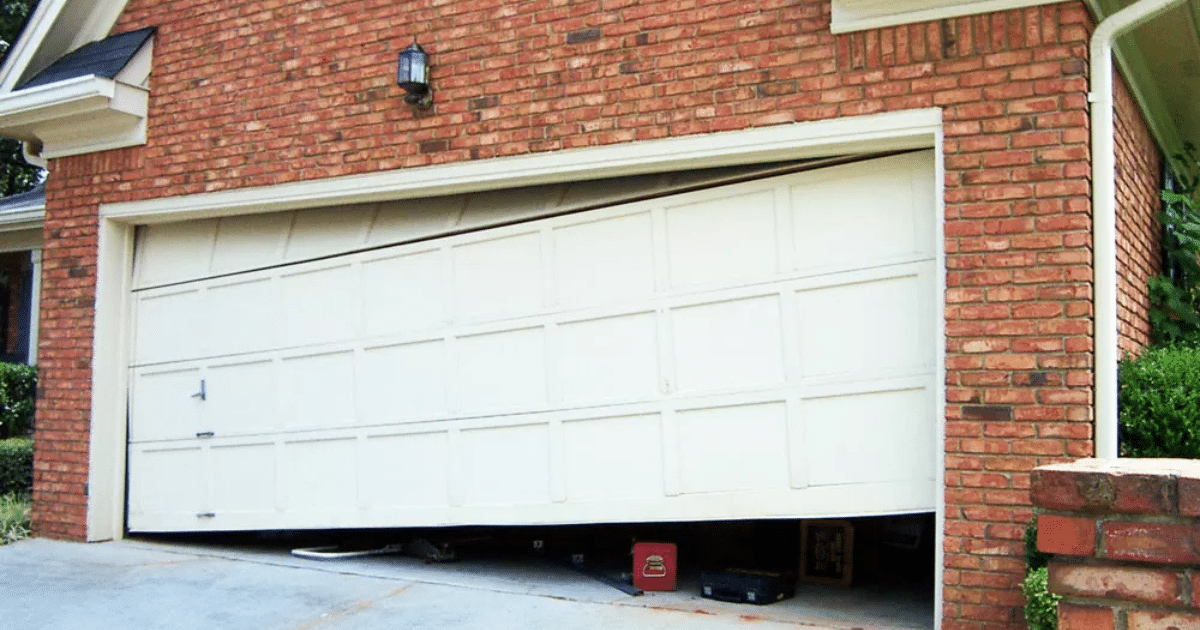
The most immediate safety risk from bad rollers is an uncontrolled door. Rollers are what keep the door locked into its track as it travels up and down. When a roller cracks, chips, or wears down to the point where it no longer fits properly inside the track channel, the door loses its guided path.
At that point, the door does not stop and wait for repairs. It continues to operate, held in place by fewer and fewer contact points, until something gives. When a door comes off its track, it can drop suddenly, swing outward, or shift sideways in ways that are impossible to predict.
The danger this creates includes:
- A door dropping onto a vehicle parked underneath it during operation
- A door swinging toward a person standing near the opening
- Panels are buckling or separating under the uneven load as the door tries to move without proper roller support
This is not a scenario that builds slowly over weeks. A roller that has been worn for some time can fail completely in a single cycle, making prompt garage door repair or roller replacement critical.
To understand how often you should be replacing rollers before they reach this level of wear, our guide on How Often Should Garage Door Rollers Be Replaced? outlines realistic timelines based on roller type and usage.
Increased Risk of Garage Door Spring Failure
Garage door springs are responsible for counterbalancing the weight of the door. They work in coordination with every other component in the system, including the rollers. When rollers are worn, and the door no longer moves smoothly along the track, the springs are forced to compensate for that resistance with every cycle.
That added strain accelerates spring wear and increases the likelihood of a spring snapping unexpectedly. A broken torsion spring releases an enormous amount of stored energy in a fraction of a second. It can cause serious property damage and put anyone nearby at serious risk of injury.
Worn rollers rarely get the blame when a spring fails, but the connection is real. Keeping rollers in good condition is part of keeping the entire tension system balanced and safe.
Compromised Security for Your Home
A garage door that does not close fully or sit evenly in its frame is not just a mechanical problem. It is a security gap. Worn rollers can cause the door to hang unevenly, leave visible gaps along the sides or bottom, or prevent the door from sealing properly when closed.
Those gaps and misalignments create entry points. A door that does not close flush is easier to force open, and an uneven door may not engage its locking mechanism correctly, leaving your home more exposed than you realize.
In Wake Forest, NC, where attached garages are common and often connect directly to the living areas of the home, a compromised garage door is effectively a compromised front entry. The safety of everyone inside depends on that door closing and locking the way it was designed to.
Electrical and Opener System Damage From Roller Stress
When rollers are worn, the garage door opener motor works harder to move a door that is no longer traveling smoothly. The additional resistance translates into increased electrical load on the motor with every cycle. Over time, that causes the opener to overheat, wear out prematurely, or behave erratically.
An opener under stress can cause the following safety concerns:
- The door reversing unexpectedly mid-cycle, either closing on a person or vehicle below
- Auto-reverse sensors losing calibration because the door no longer travels on a consistent path
- The motor burning out and leaving the door stuck in an open or partially open position
According to DASMA garage door safety recommendations, garage door openers and their safety features should be tested regularly. But those tests are only meaningful when the mechanical components supporting the opener, including the rollers, are functioning properly.
Risk of Panel and Structural Damage to the Door
A garage door is designed to operate as a balanced, unified system. Each panel connects to the next, and the rollers distribute the door’s weight evenly across the entire frame as it moves. When rollers fail, that even distribution breaks down.
Uneven load distribution puts stress on the door panels themselves. Over time, this can cause panels to warp, crack, or separate at the joints. Once panel damage occurs, the structural integrity of the door is affected. A door with compromised panels does not provide the same level of protection against wind, impact, or forced entry that an intact door does.
This type of damage is especially relevant in areas where severe weather is a possibility. A structurally weakened garage door performs poorly when it matters most.
The automatic garage door safety standards developed for residential systems exist specifically because the consequences of component failure in a heavy, tensioned system are serious. Rollers are a core part of meeting those standards.
Danger to Children and Pets Near the Garage
Children and pets are often near garage doors during operation without the same awareness of risk that adults have. A door operating on worn rollers is less predictable, which makes the area around a moving garage door more dangerous for anyone who cannot always be counted on to stay clear.
Specific risks include:
- A door dropping faster than expected if a roller gives way mid-cycle
- Sudden loud noises from grinding or binding rollers startling children or animals into the path of the door
- A door reversing unpredictably and catching someone in the opening
Auto-reverse features on garage door openers are designed as a backup safety measure, not a primary one. They rely on the door behaving consistently enough for the sensor to do its job. When worn rollers cause erratic movement, those safety systems become less reliable, making timely garage door roller repair important for maintaining safe operation.
How to Identify Safety-Level Roller Wear Before It Becomes a Crisis
Not every worn roller is an emergency, but some warning signs indicate you have moved past routine maintenance and into genuine safety territory. Knowing the difference helps you act at the right time.
Signs that roller wear has reached a safety concern level:
- The door shudders or jerks sharply during operation rather than moving in a smooth, controlled arc
- You can hear or feel the door struggling against resistance on one or both sides
- A roller is visibly out of the track, even partially, while the door is closed
- The door does not sit evenly in the frame when fully closed, with visible gaps on one or more sides
If you are seeing any of these signs, stop using the door and have it inspected. Continuing to operate a door in this condition increases the risk of sudden failure with every cycle.
For a full breakdown of what is actually causing rollers to deteriorate to this point, our guide on Why Your Garage Door Rollers Keep Breaking Down So Often covers the root causes in detail.
Steps to Reduce Safety Risks From Roller Wear Right Now
You do not have to wait for a problem to become a crisis. A few straightforward actions can reduce your exposure to roller-related safety risks significantly.
- Inspect your rollers visually twice a year. Look for cracks, chips, flat spots, or any sign the roller is not sitting correctly in the track.
- Lubricate the rollers and track every six months to reduce friction and slow wear between professional service visits.
- Test your auto-reverse feature monthly by placing a flat object like a wood board under the door. If the door does not reverse on contact, the system needs immediate attention.
- Schedule a professional inspection annually, especially if your door is more than five years old or sees heavy daily use.
- Do not delay repairs when warning signs appear. A grinding noise or uneven movement is the door telling you something is wrong before it fails.
Knowing when a safety issue requires more than a maintenance check is just as important as regular upkeep. Our guide on When to Call a Professional for Garage Door Roller Repair helps you determine exactly when to stop troubleshooting and make the call.
Your Garage Door Should Protect Your Home, Not Put It at Risk
A garage door in good working condition is one of the most reliable barriers between your family and the outside world. But when the rollers holding that system together are worn, cracked, or failing, that protection starts to break down in ways most homeowners never see coming. The risks go well beyond noise and inconvenience. From doors coming off their tracks to compromised security and strained opener systems, worn rollers affect nearly every part of how your garage door performs and how safely it does its job.
DoorJam Garage specializes in garage door inspections and roller replacement that addresses the full system, not just the part that is visibly worn. Contact us today or give us a calll and let us help you get your garage door back to the safe, reliable condition your home deserves.